Showing posts sorted by relevance for query terrorism. Sort by date Show all posts

Saturday, November 8, 2014

New Era of Pak China relations: Bilateral cooperation in economy and Anti-terrorism Campaigns


New Era of Pak China Relations

Bilateral Cooperation in Economy

&

 Anti-terrorism Campaigns

According to China Daily, China needs cooperation not only in trade and economy but also in combating terrorism. "BEIJING - Chinese Vice-Premier Zhang Gaoli met with Pakistani Prime Minister Muhammad Nawaz Sharif in Beijing on Saturday, stressing bilateral cooperation in economy and anti-terrorism campaigns."  Interestingly numerous countries have their own priorities regarding terrorism. For Russia terrorism means to deal Ukraine, for US main concern is post 9/11 situation and for Britain it is 7/7 while Chines have concerns in Xinjiang and Dalai Lama. No one is ready to link terrorism from the post 2nd world era, Cold, Hot and Proxy Wars.  Till today Anti-Terrorism Campaigns are subservient to numerous foreign policy initiatives of different big and small States. Religion may be a useful weapon in the hands of terrorists but linking terrorism merely with religion or with only one religion is surely a trick. Insistence of Chines on Terrorism is good but it is also essential to deconstruct the term and past politics associated with it. It is high time to raise questions regarding the term and its misuse. For Pakistan religious extremism is a big issue and it has links with terrorism. In this situation  insistence of Chinese can make a difference too. 

Saturday, January 30, 2016

Implementation of NAP: Obstacles, Riddles, Preferences & Twists

Implementation of NAP

Obstacles, Riddles, Preferences & Twists

No one can combat terrorism in a terrorize Scenario.  Efforts to combat terrorism & Extremism remained futile in the presence of infighting among powerful institutions, provinces, political parties and civil society especially the media. After reading newspaper headings these days, one can easily judge that We are not on One Page now a days. But who is responsible of this mess?  It is partly due to infighting but largely due to anti-democratic forces  in Pakistan. Playing with issue of terrorism is more dangerous then playing with religion in many ways. After Bcha Khan university attack, KPK Chief Minister coined a new strategy to combat terrorism. After unsuccessful local solutions of banning pillion riding (double swari on motorbikes) and Mobile phone service it is the third local solution. He said that we should distribute arms among people so they will combat terrorists themselves. So he want to use lawlessness against terrorists and you may call it a tactical withdrawal of the State from its responsibilities to combat terrorism.

Read the piece Yourself published in weekly HumShehri this week.


Extracts
دہشت پھیلا کر دہشت گردی کا خاتمہ نہ آج تک کسی جگہ ہوا ہے نہ ہمارے ہاں ہوسکتا ہے۔ بلکہ یہ عمل نئے دہشت گرد پیدا کرنے میں معاون ہوتا ہے۔ ان مسائل سے نمٹنے کے لیے تو ہمیں سیاسی حل پر ساتھ ساتھ عمل کرنا ہوگا۔ سیاسی حل کے لیے ضروری ہے کہ وفاق، صوبوں اور اضلاع کی منتخب قیادتوں کے ذریعہ اس کو سیاست سے جوڑا جائے۔ بصورت دیگر سیاسی و معاشرتی سطح پر انتشار بڑھنے کا خطرہ منڈلاتا رہے گا۔ 

جب قائد حذب اختلاف سید خورشید شاہ وزیر اعظم سے جواب مانگ رہے ہوتے ہیں تو اس کا عمومی تاثر کیا بنتا ہے؟ پٹھانکوٹ حساس و سفارتی نوعیت کا معاملہ ہے تو پھر اس پر قائد حذب اختلاف کو اعتماد میں لینے میں کیا رکاوٹ ہے؟ ایک ایسی صورتحال میں جب معاملہ کا تعلق براہ راست دہشت گردی سے ہو اور آپ سول ملٹری قیادت کے ایک صفحہ پر ہونے کے داعی بھی ہوں تو پھر کیا قائد حزب اختلاف کے ایسے بیانات کے بعد ایک صفحہ پر ہونے کا تاثر ہوا نہیں جاتا۔ اب اگر یہ تاثر مضبوط ہوتا ہے تو پھر کونسا نیشنل ایکشن پلان؟ کہاں کی منصوبہ بندی اور کہاں کا عملدرآمد۔ 

غداری کیس کے ملزم کے انٹرویو نشر ہوتے ہیں اور وہ جلتی پر تیل ڈالتے ہوئے آرمی چیف کی مدت ملازمت میں توسیع بارے تنبیہ کرتا ہے۔ آرمی چیف وضاحتی بیان جاری کرکے مسئلہ کو رفع دفع کرتے ہیں تو ’’مہان دانشور‘‘ مدت ملازمت کو ایک سال بڑھانے کی نئی بحث شروع کرتے ہوئے دور دور سے کوڑیاں سامنے لانے میں رجھ جاتے ہیں۔ 

ایم کیو ایم کو شاید حزب اختلاف میں رہنے کی زیادہ عادت و تجربہ نہیں۔ آج وہ نہ سندھ سرکار میں ہیں اور نہ ہی مرکز میں، اس لیے وہ ’’دھرنوں‘‘ کو آزمانے پر بوجوہ مائل ہیں۔ ایسا کرتے ہوئے وہ یہ بھی بھول گئے ہیں کہ جس طالبان مخالفت کا وہ دن رات کریڈٹ لیتے نہیں تھکتے، ان کے یہ تازہ ترین دھرنے ان کو بالواسطہ مدد فراہم کرنے کا باعث بنیں گے۔ 
Further readings
Terrorism

Diarchy of Army and Civilans
Why does Pakistan’s democracy remain under the shadow of army?
This is the first official recognition of what a section of the media had witnessed happening over the last two years. The system operating in Pakistan is diarchy where the army is the major player.
http://www.pakistantoday.com.pk/2016/01/30/comment/why-does-pakistans-democracy-remain-under-the-shadow-of-army/


Saturday, August 9, 2014

Secret Affairs: Use of Religion (Islam) in National & International Politics


Rationality vs. State Craft
Secret Affairs
Use of Religion (Islam) in national & International Politics

These days a Canadian Islamist is in Pakistan and with the help of a pro-Taliban Khan, he is ready to initiate a revolution. The resonance of this revolution will be heard from Pak-afghan borders to Syria. Revolutionaries and freedom lovers will gather in the capital at 14th August 2014 and will announce “New Pakistan” at 15th August which is Indian Independence Day. In this scenario it will be interesting to know history of misuses of Islam by national and international power players. The man who wrote this is a British citizen and he wrote a book Secret Affairs: Britain's collusion with radical Islam”. Today in British newspaper Independent, a reviewer explain it as follows

“The part played by officials in the growth of terrorism in Britain is a relatively small-scale affair compared to what went on abroad. Successive UK governments had nurtured and promoted extremists for reasons of realpolitik often at a terrible cost to the population of those countries. Mark Curtis, in his book on "Britain's collusion with radical Islam", charts this liaison.

Some more reviews will help you to understand it.
Startling and deeply disturbing evidence about how, in an effort to preserve declining influence in the world’s oil-producing regions, the government has lent frequent and critical support to the states that have been the primary sponsors of radical Islam and the terrorism that it spawns...’
Noam Chomsky
Sensational in the best sense, Secret Affairs examines the darkest corners of the imperial past to reveal the truth behind today’s news.”
John Pilger
This valuable and important book presents a far more accurate and balanced picture than the shallow simplicities fed by Bush’s so-called war on terror.”
Michael Meacher

Playing with religions and ideologies is not new but after the creation of Nation Sate phenomenon it is unprecedentedly in use by modern Statecraft. Small or relatively less influential Sates use it internally or at their borders but super powers use it extensively as foreign policy initiatives. That is the message mark Curtis gives us in his book Secret Affairs: Britain's collusion with radical Islam”. He uses case study of Britain and Islam yet you can replace Britain with Russia, US, Germany, France etc. and likewise you can replace Islam with Christianity, Buddhism, Hinduism, Judaism etc. As everything is fair in love & war so these powers are smart enough to play with Religions, Sub-religions (Sects or School of thoughts), Nationalisms, Sub-nationalisms, Languages & Dialects. While reading this work, don’t stick at Britain and Islam but tries to understand the phenomenon. One should remember that unlike Judaism and Hinduism, religion of Islam means 1.6 billion people and 57 Nation States (49 with clear Muslim majority and 8 with significant Muslim population). So when big powers play with Islam, it is primarily due to their significant presence in numerous Nation States rather than their Faith. For instance imagine, if Islam have presence in two or three countries like Hinduism than big powers have no interest in it. Islamists interpret this fact oppositely and instead of emphasizing on heavy Muslim presence in the world of Nation States, they twist it smartly towards Faith, Islam. As Marx did with Hegel, one has to turn that Islamist twist on his head.


Mark Curtis is a British historian and journalist who studied at the London School of Economics, before becoming a researcher at the Royal Institute of International Affairs. He is a former director of the World Development Movement. n 1998 Mark Curtis published The Great Deception: Anglo-American Power and World Order, a work whose stated goal was to shed light on various myths of Anglo-American power in the post-Cold War era. In 2008 he wrote a book under the title “Dirty Wars: Britain's Collusion with Radical Islam” (288 pages) and it was published by Verso. In 2010, perhaps he expanded that work and wrote a book “Secret Affairs: Britain's collusion with radical Islam” published by Serpent’s Tail, an imprint of Profile Books Ltd London. In 2012 the publisher published its updated edition (462 pages). Why the publisher replaced its name from “Dirty wars” to “secret affairs” is an interesting question. May be it shows the difference between blunt Verso and moderate Profile Books.

Introduction to Secret Affairs: Britain’s Collusion with Radical Islam

During the recent upheavals in the Middle East, known as the ‘Arab Spring’, one important aspect of British foreign policy has been ignored by the mainstream media: British collusion with radical Islamic actors to promote oil and other commercial or strategic interests. Indeed, this policy has a long history, which this book will tell, and has contributed not only to the rise of radical Islam itself but also to that of international terrorism, which the British government’s new National Security Strategy identifies as the country’s biggest threat. The intelligence agencies say they have prevented twelve terrorist plots in Britain over the past decade, and claim there are 2,000 known terrorist suspects organised in 200 networks.
Counterterrorism officials have also warned of a ‘huge spectacular’, and shooting and hostage-taking raids involving gunmen with bombs. The extent of this threat is all too easily exaggerated for political purposes – the former director of MI5, Stella Rimington, has, for example, accused the government of ‘frightening people in order to be able to pass laws which restrict civil liberties’. But Britain, along with many other countries, clearly does face a threat from radical Islamic groups. The July 2005 London bombings, which killed 52 people, constituted the first ‘successful’ attack by Islamists in Britain, and the British courts have convicted over 80 individuals who planned to kill British citizens in acts of terrorism. Meanwhile, Britain’s most senior military figure has called the threat posed by Islamist extremism ‘the struggle of our generation – perhaps our Thirty Years’ War’.
How we got to this point has been the subject of much speculation as to how ‘home-grown’ British citizens can turn to terrorist violence and be prepared to blow themselves up. Right-wing commentators typically blame liberal culture, arguing that laws have not been tough enough to clamp down on extremism, or even that multi-culturalism has made it impossible to challenge people of a different faith. The government has been widely attacked since 7/7 for failing to clamp down on a number of Islamist radicals in Britain – most notoriously, Abu Hamza, the former preacher at the Finsbury Park mosque in north London, who was allowed to openly encourage numerous young Muslims to espouse violent jihad. For others, and many on the political Left, the terrorist threat has been fuelled by British military interventions in Iraq and Afghanistan and Whitehall’s siding with Israel in its conflict in occupied Palestine. These are surely major factors: in April 2005, for example, the Joint Intelligence Committee stated, in a report leaked the following year, that the Iraq conflict ‘has exacerbated the threat from international terrorism and will continue to have an impact in the long term. It has reinforced the determination of terrorists who were already committed to attacking the West and motivated others who were not.’ This followed a joint Home Office/Foreign Office report, called ‘Young Muslims and Extremism’, which was also leaked and which stated that there was ‘a perceived “double standard”’ among many Muslims in Britain who believe that British foreign policy, in places such as Iraq, Afghanistan, Kashmir and Chechnya is ‘against Islam’.
But there is a big missing link in this commentary, and Britain’s contribution to the rise of the terrorist threat goes well beyond the impacts its wars in Afghanistan and Iraq have had on some individuals. The more important story is that British governments, both Labour and Conservative, have, in pursuing the so-called national interest’ abroad, colluded for decades with radical Islamic forces, including terrorist organisations. They have connived with them, worked alongside them and sometimes trained and financed them, in order to promote specific foreign policy objectives. Governments have done so in often desperate attempts to maintain Britain’s global power in the face of increasing weakness in key regions of the world, being unable to unilaterally impose their will and lacking other local allies. Thus the story is intimately related to that of Britain’s imperial decline and the attempt to maintain influence in the world.
With some of these radical Islamic forces, Britain has been in a permanent, strategic alliance to secure fundamental, long-term foreign policy goals; with others, it has been a temporary marriage of convenience to achieve specific short-term outcomes. The US has been shown by some analysts to have nurtured Osama Bin Laden and al-Qaida, but Britain’s part in fostering Islamist terrorism is invariably left out of these accounts, and the history has never been told. Yet this collusion has had more impact on the rise of the terrorist threat than either Britain’s liberal culture or the inspiration for jihadism provided by the occupation of Iraq. The closest that the mainstream media have got to this story was in the period immediately after 7/7, when sporadic reports revealed links between the British security services and Islamist militants living in London. Some of these individuals were reportedly working as British agents or informers while being involved in terrorism overseas.
Some were apparently being protected by the British security services while being wanted by foreign governments. This is an important but only a small part of the much bigger picture which mainly concerns Britain’s foreign policy. Whitehall has been colluding with two sets of Islamist actors which have strong connections with each other. In the first group are the major state sponsors of Islamist terrorism, the two most important of which are key British allies with whom London has long-standing strategic partnerships – Pakistan and Saudi Arabia. Foreign policy planners have routinely covertly collaborated with the Saudis and the Pakistanis in their foreign policy, while both states are now seen as key allies in what was until recently described as the War on Terror. Yet the extent of Riyadh’s and Islamabad’s nurturing of radical Islam around the world dwarfs that of other countries, notably official enemies such as Iran or Syria. As we shall see, Saudi Arabia, especially after the oil price boom of 1973 which propelled it to a position of global influence, has been the source of billions of dollars that have flowed to the radical Islamic cause, including terrorist groups, around the world. A good case can be made that al-Qaida is partly a creature of Britain’s Saudi ally, given the direct links between Saudi intelligence and Bin Laden from the early years of the anti-Soviet jihad in Afghanistan in the 1980s. Pakistan, meanwhile, has been a major sponsor of various terrorist groups since General Zia ul-Haq seized power in a military coup in 1977 – military support brought some groups into being, after which they were nurtured with arms and training. The 7/7 bombers and many other would-be British terrorists are partly the product of subsequent decades of official Pakistani patronage of these groups. And today it is the Pakistan-based networks which pose the largest threat to Britain and which are at the centre of global terrorism, having become perhaps even more important than al-Qaida, despite the Western media’s focus on Bin Laden. Both Pakistan and Saudi Arabia are partly British creations: Saudi Arabia was bloodily forged in the 1920s with British arms and diplomatic support, while Pakistan was hived off from India in 1947 with the help of British planners. These countries, while being very different in many ways, share a undamental lack of legitimacy other than as ‘Muslim states’. The price paid by the world for their patronage of particularly extreme versions of Islam – and British support of them – has been very great indeed. Given their alliance with Britain, it is no surprise that British leaders have not called for Islamabad and Riyadh to be bombed alongside Kabul and Baghdad, since the War on Terror is clearly no such war at all, but rather a conflict with enemies specially designated by Washington and London. This has left much of the real global terrorist infrastructure intact, posing further dangers to the British and world public.
The second group of Islamist actors with whom Britain has colluded is extremist movements and organisations. Among the most influential of the movements that appear throughout this book is the Muslim Brotherhood, which was founded in Egypt in 1928 and has developed into an influential worldwide network, and the Jamaat-i-Islami (Islamic Party), founded in British India in 1941, which has become a major political and ideological force in Pakistan. Britain has also covertly worked alongside the Darul Islam (House of Islam) movement in Indonesia, which has provided important ideological underpinnings to the development of terrorism in that country. Though Britain has mainly collaborated with Sunni movements in promoting its foreign policy, it has also at times not been averse to conniving with Shia forces, such as with Iranian Shia radicals in the 1950s, and before and after the Islamic revolution in Iran in 1979.
Britain has, however, also worked in covert operations and wars with a variety of outright jihadist terrorist groups, sometimes linked to the movements just mentioned. These groups have promoted the most reactionary of religious and political agendas and routinely committed atrocities against civilians. ollusion of this type began in Afghanistan in the 1980s, when Britain, along with the US, Saudi Arabia and Pakistan, covertly supported the resistance to defeat the Soviet occupation of the country. Military, financial and diplomatic backing was given to Islamist forces which, while forcing a Soviet withdrawal, soon organised themselves into terrorist networks ready to strike Western targets. After the jihad in Afghanistan, Britain had privy dealings of one kind or another with militants in various terrorist organisations, including Pakistan’s Harkat ul-Ansar, the Libyan Islamic Fighting Group, and the Kosovo Liberation Army, all of which had strong links to Bin Laden’s al-Qaida. Covert actions have been undertaken with these and other forces in Central Asia, North Africa and Eastern Europe.
Although my argument is that Britain has historically contributed to the development of global terrorism, the current threat to Britain is not simply ‘blowback’, since Whitehall’s collusion with radical Islam is continuing in order to bolster the British position in the Middle East. Planners not only continue their special relationships with Riyadh and Islamabad, but they have also recently been conniving with the Muslim Brotherhood in Egypt and Islamists and their supporters in Libya. In a different way, the British are now also in effect collaborating with elements of the Taliban in Afghanistan in a desperate effort to find an exit from an increasingly disastrous war. The roots of British collusion with radical Islam, as we will see in the first chapter, go back to the divide and rule policies promoted during the empire, when British officials regularly sought to cultivate Muslim groups or individuals to counter emerging nationalist forces challenging British hegemony. It is well known that British planners helped create the modern Middle East during and after the First World War by placing rulers in territories drawn up by British planners. But British policy also involved restoring the Caliphate, the leadership of the Muslim world, back to Saudi Arabia, where it would come under British control, a strategy which had tremendous significance for the future Saudi kingdom and the rest of the world. After the Second World War, British planners were confronted with the imminent loss of empire and the rise of two new superpowers, but were determined to maintain as much political and commercial influence in the world as possible. Although Southeast Asia and Africa were important to British planners, largely due to their raw material resources, it was the Middle East, due to its colossal oil reserves, over which London mainly wanted to exert influence. Yet here, a major enemy arose in the form of popular Arab nationalism, led by Egypt’s Gamal Abdel Nasser, which sought to promote an independent foreign policy and end Middle Eastern states’ reliance on the West. To contain the threat, Britain and the US not only propped up conservative, pro-Western monarchs and feudal leaders but also fomented covert relationships with Islamist forces, notably the Muslim Brotherhood, to destabilise and overthrow the nationalist governments.As Britain withdrew its military forces from the Middle East in the late 1960s, Islamist forces such as the Saudi regime and, once again, the Muslim Brotherhood, were often seen as proxies to maintain British interests in the region, to continue to destabilise communist or nationalist regimes or as ‘muscle’ to bolster pro-British, right-wing governments. By the 1970s, Arab nationalism had been virtually defeated as a political force, partly thanks to Anglo–American opposition; it was largely replaced by the rising force of radical Islam, which London again often saw as a handy weapon to counter the remnants of secular nationalism and communism in key states such as Egypt and Jordan. After the Afghanistan war in the 1980s spawned a variety of terrorist forces, including al-Qaida, terrorist atrocities began to be mounted first in Muslim countries and then, in the 1990s, in Europe and the US. Yet, crucially for this story, Britain continued to see some of these groups as useful, principally as proxy guerilla forces in places as diverse as Bosnia, Azerbaijan, Kosovo and Libya; there, they were used either to help break up the Soviet Union and secure major oil interests or to fight nationalist regimes, this time those of Slobodan Milosevic in Yugoslavia and Muammar Qadafi in Libya. Throughout this period, many jihadist groups and individuals found refuge in Britain, some gaining political asylum, while continuing involvement in terrorism overseas. Whitehall not only tolerated but encouraged the development of ‘Londonistan’– the capital acting as a base and organising centre for numerous jihadist groups – even as this provided a de facto ‘green light’ to that terrorism. I suggest that some elements, at least, in the British establishment may have allowed some Islamist groups to operate from London not only because they provided information to the security services but also because they were seen as useful to British foreign policy, notably in maintaining a politically divided Middle East – a long-standing goal of imperial and postwar planners – and as a lever to influence foreign governments’ policies.
Radical Islamic forces have been seen as useful to Whitehall in five specific ways: as a global counter-force to the ideologies of secular nationalism and Soviet communism, in the cases of Saudi Arabia and Pakistan; as ‘conservative muscle’ within countries to undermine secular nationalists and bolster pro-Western regimes; as ‘shock troops’ to destabilise or overthrow governments; as proxy military forces to fight wars; and as ‘political tools’ to leverage change from governments. Although Britain has forged long-standing special relationships with Saudi Arabia and Pakistan, it has not been in strategic alliance with radical Islam as such. Beyond these two states, Britain’s policy has been to collaborate with Islamist forces as a matter of ad hoc opportunism, though it should be said that this has been rather regular. Time and again, the declassified planning documents reveal that British officials were perfectly aware that their collaborators were anti-Western and anti-imperialist, devoid of liberal social values or actually terrorists. Whitehall did not work with these forces because it agreed with them but simply because they were useful at specific moments. Islamist groups appeared to have collaborated with Britain for the same reasons of expediency and because they shared the same hatred of popular nationalism as the British. These forces opposed British imperialism in the Middle East just as they do the current occupations of Iraq and Afghanistan, but they have not generally opposed the neo-liberal economic policies pursued by the pro-Western, British-backed regimes in the region. Crucially, British collusion with radical Islam has also helped promote two big geo-strategic foreign policy objectives. The first is influence and control over key energy resources, always recognised in the British planning documents as the number one priority in the Middle East. British operations to support or side with Islamist forces have generally aimed at maintaining in power or installing governments that will promote Western-friendly oil policies. The second objective has been maintaining Britain’s place within a pro-Western global financial order. The Saudis have invested billions of dollars in the US and British economies and banking systems, and Britain and the US have similarly large investments and trade with Saudi Arabia; it is these that are being protected by the strategic alliance with Riyadh. Since the period of 1973–75, when British officials secretly made a range of deals with the Saudis to invest their oil revenues in Britain, as we shall see, there has been a tacit Anglo–American–Saudi pact to maintain this financial order, which has entailed London and Washington turning a blind eye to whatever else the Saudis spend their money on. This has been accompanied, on the Saudi side, by a strategy of bankrolling Islamist and jihadist causes and a ‘Muslim’ foreign policy aimed at maintaining the Saud family in power.
In promoting its strategy, Britain has routinely collaborated with the US, which has a history of similar collusion with radical Islam. Given declining British power, Anglo–American operations changed from being genuinely joint enterprises in the early postwar years to ones where Whitehall was the junior partner, often providing specialist covert forces in operations managed by Washington. At times, Britain has acted as the de facto covert arm of the US government, doing the dirty work which Washington could not, or did not want to do. This said, the British use of Muslim forces to achieve policy objectives goes back to the empire, thus predating the US. Equally, in the postwar world, Whitehall has sometimes acted independently of Washington, to pursue distinctly British interests, such as the plots to overthrow Nasser in the 1950s or the promotion of Londonistan in the 1990s.
My argument is not that radical Islam and violent jihadism are British or Western ‘creations’, since this would overstate Western influence in regions like the Middle East and Southeast Asia, where numerous domestic and international factors have shaped these forces over a long period. But British policy has contributed to the present threat of terrorism, although this dare not be mentioned in mainstream British culture. It is only the anti-Soviet jihad in 1980s Afghanistan that is well-known as contributing to the emergence of terrorist groups. Even here, much more attention has been paid to the covert US role than the British. As for the rest of history, there is virtually complete silence, similar to the darkness that prevails over other episodes in Britain’s recent foreign policy, where less than the noblest of intentions were in evidence. The British public has been deprived of key information to understand the roots of current terrorism and the role that government institutions, who pose as our protectors, have played in endangering us.
My understanding of Islamic radicalism is based on the definition of the widely-respected French expert, Olivier Roy, in that it involves a return of all Muslims to the true tenets of Islam (usually called ‘Salafism’ – ‘the path of the ancestors’ – or ‘fundamentalism’) and a political militancy that advocates jihad, in the sense of a ‘holy war’ against the enemies of Islam, who could include Muslim rulers. Roy defines Islamism as a brand of modern fundamentalism that seeks, through political action, to create an Islamic state by imposing Islamic (‘sharia’) law as the basis for all society’s laws. Islamists see Islam not merely as a religion, but as a political ideology which should be integrated into all aspects of society. With this analysis in mind, throughout this book I use the terms ‘radical Islamic’, ‘Islamist’ and ‘fundamentalist’ interchangeably. ‘Jihadists’ are understood as those engaged in violent activities to achieve Islamic states. This book results partly from several months’ research at the National Archives in London, where I looked at the British declassified files on policy towards countries in the Islamic world. he research for a subject as large as this can perhaps never be exhaustive, and there are also many unknowns in British policy in some of the episodes considered here. I invite others to complete the picture in these areas.
 

 Contents & first 6 pages & Titles


Sunday, September 18, 2016

Old Flawed Narrative & Pakistan: What Next after Zarb e Azab & NAP?

Old Flawed Narrative & Pakistan 

What Next after Zarb e Azab & NAP?

Defenders of old flawed thesis are proactive these days partly due to the fear of 2018 2nd historic democratic transition in Pakistan and partly due to their misleading narratives. Their international partners are those who are against Chinese investments especially CPEC etc. Their lethal alliance is visible and they are ready to use every tiny conflict in this regard. Their latest love is Rao Anwaar yet in recent past they used extension issue, Western Route Issue, Orange Train Issue but they did not ever question relationship between Smuggling and Terrorism especially in Durandline adjacent districts.   Khaled Ahmad wrote a new book and it is a fine effort to deconstruct old flawed narrative. Khaled’s book is a light study for new comers, students but like “Indian Summer” written by Alex Von Tunzeliman it give you some unusual information too. This book will definitely increase your thirst for history & politics and you can well understand why author called it “Sleepwalking to surrender” but now it is up to new researchers to find linkages of that sleepwalking with geo-politics.

Book is available at Readings, Lhore

Read the Review of the book Published in The news of Sunday by Clicking Here

Often we perceive situations in black and white without realising how reality exists in the grey. In philosophical thought, thesis, anti-thesis and synthesis help us understand a proposition. But in a black and white scenario, one tends to emphasise either on thesis or anti-thesis rather than synthesis. In South Asia, thanks to centralised colonial thinking patterns, the monolithic approach is the order of the day. From textbooks to media and from literature to politics, we often witness interpretations of official narrative. That is why in post-colonial societies, authority runs even in intellectual circles.
Pakistan is fortunate that way because we had visible spaces against court historians not only in politics but also in literature from day one. It has helped Pakistan in many ways and Khaled Ahmed is one among the writers who are known for their anti-thesis approach. His contribution is useful because in the absence of anti-thesis, it is impossible to move towards synthesis.

Like his previous books and writings, Ahmed has in this latest work,Sleepwalking to Surrender: Dealing with Terrorism in Pakistan, captured events that are often ignored in our official narrative. You may disagree with the interpretations but you cannot deny the facts.

A REVIEW OF KHALEED AHMAD BOOK SECTARIAN WAR Published in July 2011
A chapter in his new book ‘A Council of Runaway Ideology’ provides a fresh analysis on CII and its linkages with the security establishment in Pakistan. He strongly criticises General Ziaul Haq and the Council of Islamic Ideology (CII): “Zia rejected Allama Iqbal’s view of Ijtihad(reinterpretation) and not only imposed the cutting of hands for the theft but also fired the then CII’s chairman in order to impose stoning to death which is not specifically mentioned in the Quran”.
Interestingly, 69 years after their birth, official narratives are facing serious challenges not only in academia but also in journalism and politics, in both India and Pakistan. But the ‘deep state’ is not willing to leave the old narrative in either of the two states. The Gujral Doctrine (1996-1997) in India and the Lahore Agreement (1999) in Pakistan are bold examples that were put in place to ensure peace and prosperity in the region. Although both efforts were challenged by their respective establishments, their existence proved that the peace lobby is not as weak as it is usually considered to be.
In all the 32 chapters in the book, the author has tried to touch every important issue facing the country — including in-depth discussions on Lal Masjid, Karachi, the ideology of Pakistan, Modi-Nawaz meetings, Kashmir, Afghanistan, the Taliban, Balochistan, Pak-US relations and religious and sectarian groups.
The chapter titled ‘Breaking through in Balochistan’ deserves extra attention. In this chapter, the author has discussed the Baloch separatist movement with special reference to the National Party’s first election, and the nationalist government of Dr Abdul Malik Baloch. In my view, the conduct of this government was far mature than Attaullah Mengal’s 1972, government and future historians will write positively about Baloch’s era.
Balochistan has a unique position in our country’s politics. Ahmed has discussed many issues including killings of minority Hazara, the missing persons’ issue, the Pakhtun factor in Balochistan, religious and secular terrorists, Akhtar Mengal’s 6-points and Indian involvement in the province.
Some facts are more alarming than the separatists’ issue; for example, he writes: “There are over 70 gangs involved in kidnapping for ransom, some backed by Baloch feudal leaders, many of whom keep private armies, and members of Balochistan Assembly.”
In my view, it is important to trace the linkages between smuggling and terrorism with special reference to FATA and the coastal belt in Balochistan. That informal trade comprises Balochistan’s leading economy has deeply impacted the federal and provincial institutions and departments including border security personnel. The task ahead is to transform it into formal trade.
In order to understand the Dharna factor, it is important to read chapter four titled ‘A revolution against democracy’. However, the story of Lieutenant General Shahid Aziz reproduced by Khaled Ahmed in “A Typical General?” may interest you more. Regarding Kargil, Lieutenant General Aziz explains “it was an unsound military plan based on invalid assumptions, launched with little preparations and in total disregard of the regional and international environment.” Aziz did not hesitate to say that Musharraf did not share plans with his corps commanders. CGS Lt General Mohammad Aziz, Lt General Javed Hassan Commander FCNA and Lt General Mahmud Ahmed, Commander 10-Corps Rawalpindi were the three other generals who knew the plan.
Lieutenant General Shahid Aziz has also exposed how Musharraf misused the National Accountability Bureau (NAB). After retirement, Lieutenant General Aziz, who is related to Musharraf through marriage, was appointed as NAB’s chairman. On the very first day, Musharraf told Aziz to provide immunity to Minister Faisal Saleh Hayat. The most interesting nugget in the chapter is about the reference of Dajjal(Antichrist) on the dollar bill, symbolising the grand conspiracy. Lieutenant General Aziz thinks that whatever is happening in the world is a part of a Jewish conspiracy. It reflects the mindset of our decision-makers.
The book is written in the post 9/11 scenario where the Pakistani state along with parliament is trying to fix the complex issue of extremism and terrorism through Zarb-e-Azb and National Action Plan. Had Pakistan adopted that strategy in the early years of 9/11, things would be much different now. The reason why Pakistan remained reluctant during the first decade (2002-2012) was largely due to misleading narratives. The author has successfully exposed them by narrating various events.
Sleepwalking to SurrenderDealing with terrorism in Pakistan
Author: Khaled Ahmed
Publisher: Penguin/Viking, 2016
Price: Rs1,295
Pages: 463

Monday, December 14, 2015

Civil Society have concerns regarding implementation of NAP

Civil Society have concerns regarding implementation of NAP

Why the pace is so slow at civil side? If civil society, relevant ministers, VCs, HEC head and NGOs + intellectuals are ready then what is the hindrance? Is it high time that the Standing committees of education & Information should act as Over Sight Committees in all the 4 provinces regarding implementation of NAP in media and education sectors. It s time to engage textbook boards, heads of education institutions (Public & Private), Press Clubs, Journalist organizations and Media groups and start valuable debate regarding implementation, strengths and gapes of NAP. 


Speakers for evolving counter narrative to fight terrorism
      
Increase font size Decrease font size Reset font size
By Our Staff Reporter | 12/15/2015 12:00:00 AM
LAHOR E: Speakers at a seminar on the `National Action Plan and its outcome` have said terrorism cannot be eradicated without fighting extremism.

Punjab Finance Minister Dr Ayesha Ghaus Pasha chaired the policy dialogue at the Government College University here on Monday.

It was organise d by Bargad, an NGO, in collaboration with the Punjab government to remember the martyrs of the APS Peshawar and review the implementation of the NAP.

Punjab Education Minister Rana Mashood, Punjab Higher Education Commission Chairman Prof Dr Mohammad Nizamuddin, eminent rights activist I.A Rehman and noted writer Amir Riaz gave recommendations for the better implementation of the NAP.

LA Rehman said the NAP should not be made a final word and it must becontinuously reviewed and renewed according to the emerging needs.

He also highlighted the need for developing the nation`s counter narrative, saying `it is a war of minds and cannot be fought in battlefields alone.

He said the NAP was silent about curriculum reforms. `Terrorists have a narrative but unfortunately we do not have a national counter narrative,` he said, adding academicians must be involved in developing national counter narrative which should be propagated through education, media and artwork.

Writer Amir Riaz said: `Our textbooks are gender and urban bias and promote religious and communal sectarianism.

Vice-Chancellor Prof Dr Hassan Shah said: `We need to fight for poverty alleviation, socio-economic justice and above all an education system which inculcates love for humanity for the success of NAP.

Rana Mashhood paid tribute to the victims of the APS attack and stressedthe importance of NAP`s implementation to ensure that Dec 16, 2014, was never repeated.

Later, the GCU students signed a `Peace Resolution` that reads that `We solemnly vow to stand up against violent extremism in Pakistan. We vow to never let Dec 19, 2014 be repeated. We condemn this heinous tragedy and extend our full support to the government`s efforts being made under the NA to avoid such atrocities in the future.

WALK: The Postgraduate Medical Institute and Amiruddin Medical College arranged on Monday a walk to pay tribute to the martyrs of Army Public School, Peshawar. The walk began from Birdwood Road and concluded at Shadman Chowk. The participants were holding placards and banners inscribed with slogans in favour of the army.

They also condemned terrorism and reiterated that terrorists and their facilitators would find no place in Pakistan.


http://punjabpunch.blogspot.com/2015/12/two-16-decembers-can-pakistan-turn.html
LAHORE: 
Education should be used to counter extremism, Education Minister Rana Mashhood said on Monday.
He was addressing a policy seminar at Government College University (GCU) Lahore. The event was organised by Bargad, a non-government organisation (NGO), in collaboration with the Punjab government to remember the martyrs of the Peshawar Attack and to review implementation of the National Action Plan (NAP).
Punjab Finance Minister Dr Ayesha Ghaus Pasha chaired the policy dialogue at the seminar.
Punjab Higher Education Commission Chairman Prof Dr Mohammad Nizamuddin, Human Rights Commission of Pakistan secretary general IA Rehman and writer Amir Raiz gave recommendations for better implementation of the NAP.
Raiz said that some textbooks contained gender and urban bias and promoted religious and communal sectarianism. “They only show women as nurses or teachers and ignore several successful roles, including in arts and as entrepreneur in the modern society,” he said.
Dr Nizamuddin stressed the need to elaborately incorporate the last sermon of Holy Prophet Muhammad (PBUH) and Quaid-i-Azam Muhammad Ali Jinnah’s speech of August 11, 1947 in school syllabus to eliminate extremism.
IA Rehman said that the NAP should not be considered as the only way to counter terrorism. “It must be continuously reviewed and renewed according to emerging needs and most importantly measures to counter extremism should be given priority in this plan,” he said.
GCU Vice Chancellor Hassan Shah said: “We need poverty alleviation, socioeconomic justice and above all an education system that inculcates love for humanity.”
Later, a large number of GCU students signed a Peace Resolution that read: “We solemnly vow to stand up against violent extremism in Pakistan. We vow to never let 16th December 2014 be repeated. We condemn this heinous tragedy and extend our full support to the government’s efforts being made under the National Action Plan to avoid such atrocities in the future.”
Published in The Express Tribune, December 15th, 2015.

Two 16 Decembers: Can Pakistan Turn challenges of Extremism & Terrorism into opportunities


Two 16 Decembers
 Can Pakistan Turn challenges of Extremism & Terrorism into opportunities
The day of December 16 is important for Pakistan due to its dual importance. 44 years back Pakistan had lost its eastern wing yet politicians did well in post 16 December 1971 scenario and Pakistan got its first consensus Constitution within 15 months. similarly last year after APS attack civil military leadership has developed a consensus regarding combating extremism and terrorism and signed NAP. it is important to implement NAP at civil side too. But for this one has to come out from the state of denial first.
We are in this situation because of double game of Mushraff who in post 9/11 situation wanted to use that opportunity just to save its unconstitutional government. He remained reluctant to turn those challenges of extremism and terrorism in favor of opportunities for Pakistan. 
Since 2008 Pakistan is gradually moving to turn challenges into opportunities. But there are still many areas at civil side which need to address as early as possible. 
Our textbooks , Environment of educational institutions, (both Public and Private) are not in line with NAP still after a year of APS. how media is spreading hatred is another case which needs immediate attention. Presence of numerous biases (communal, sectarian, gender & Urban) in textbooks is just opposite from what we approved in NAP. Below the belt criticism of elected representatives and absence of rule of law always give ample spaces to extremists. In short regarding combating extremism we are still not prepared enough. Extremism is mother of terrorism and we have still many forms of extremism in media and education. Our textbooks have material against Muslim sects, our textbooks have material against other religions, our textbooks are not ready to acknowledge services of non-Muslim Pakistanis. Women are depicted as domestic entity but in reality Pakistani girls and women are working in numerous fields. Urban bias is also part and parcel of our books. i observed (in my study of textbooks 2014-15) how badly we treated our rural and tribal people. provincial histories and cultures are not part of our textbooks. It is late but not too late and it is time to link media and textbooks(public & Private) with NAP. 

Click and Read

انسانوں اور قوموں کی زندگیوں میں حادثات اور المیے آتے ہی رہتے ہیں۔ مگر وہ جو ان حادثوں یا المیوں پر محض ماتم کرتے رہتے ہیں وہ وہی ہیں جو ان سے سبق سیکھنے سے بوجوہ قاصر رہتے ہیں۔ سبق سیکھنے کی اوّلین شرط تو یہی ہے کہ آپ انکاری کیفیت(State of denial) سے باہر نکلتے ہوئے زمینی حقائق کو تسلیم کریں۔ کسی بھی واقعہ کے رونما ہونے میں اندرونی و بیرونی عوامل کا ہاتھ ہوتا ہے اوربصیرتوں پر مشتمل اعتدال پسند پالیسی وہی ہوتی ہے جس میں آپ دونوں عوامل سے صرف نظر نہ کریں۔ جو وحدت الوجود کے فلسفہ کو سمجھتے ہیں انہیں معلوم ہے کہ جب ’’اندر اور باہر‘‘ کی دوئی (Duality) کا خاتمہ ہوتا ہے تب جاکر انسانی معراج ممکن ہوتی ہے۔ - 
یہ بات جس قدر انسانوں پر لاگو ہوتی ہے اتنی ہی قوموں اور ملکوں پر بھی کہ نہ تو سارا قصور ’’باہرلوں‘‘ پر ڈالنا کوئی مثبت عمل ہے نہ ہی خود کو100فیصدی مجرم قرار دیتے ہوئے محض ماتم میں غلطاں رہنا۔ پاکستانیوں کے لیے16 دسمبر آفت کو موقعہ میں بدلنے کا دن بن سکتا ہے بشرطیکہ ہم اپنی غلطیوں سے سبق سیکھتے اور ’’اندر باہر‘‘ پر نظر رکھتے ہوئے دہری پالیسیوں کو خیرباد کہہ سکیں۔ -16دسمبر 1971 سے کسی حد تک ہم نے سبق سیکھا تھا اور 20 دسمبر 1971 کے بعد آنے والی منتخب قیادتوں یعنی سیاستدانوں نے قوم کو 1973 کے آئین کا تحفہ دے کر اس المیہ سے نکلنے کی طرف مفاہمتی قدم اٹھایا تھا۔ آئین پاکستان 1973 میں صوبوں کو مزید توڑنے کے عمل کو صوبائی اسمبلیوں کی اجازتوں سے مشروط کرنے کا جو آرٹیکل ڈالا گیا تھا اس میں16 دسمبر سے سیکھنے کی بصیرت نمایاں تھی۔ اگر سیاسی بصیرتوں پر مشتمل یہ آرٹیکل شامل آئین نہ ہوتا تو آج پاکستان نہ ختم ہونے والے انتشار میں دھکیلا جا چکا ہوتا۔ یہی نہیں بلکہ باوجود مخالفت کے ذوالفقار علی بھٹو نے اس وقت کے چیف جسٹس پاکستان جناب حمودالرحمن کی قیادت میں 1947 سے 1971 تک کے حالات کا جائزہ لینے کے لیے اعلیٰ سطحی کمیشن بھی بنایا تھا۔ - 
اگر بھٹو اس ’’ناپاک‘‘ کام میں ملوث ہوتے تو وہ کبھی کمیشن نہ بناتے۔ کس نے اس کمیشن رپورٹ کو چھپنے نہ دیا، یہ اب کوئی راز نہیں رہا۔ مگر وہ قوتیں جو المیہ پاکستان سے سبق سیکھنے کی بجائے ملک ٹوٹنے کا سارا الزام ’’شراب و کباب‘‘ اور بیرونی سازشوں کے کھاتے ڈالنے پر کمربستہ تھیں ان میں اور حمودالرحمن کمیشن رپورٹ کے مخالفوں میں حسیں اتفاق ہوگیا۔ حیران نہ ہوں، اس اتفاق میں ترقی پسند، اسلام پسند،قوم پرست، نفاذ اُردو کے ہاون دستے، نیشنلائزیشن کے ستائے ہوئے سبھی حصہ بقدر جثہ رَلے ہوئے تھے۔ بھٹو نے مشہور ترقی پسند تاریخ دان جناب کے۔ کے ۔عزیز کومغربی جرمنی سے پاکستان بلوایا اور بقول بیگم کے۔ کے۔ عزیز اْن کے گھر فوج کی نگرانی میں 39 مقدس صندوق باری باری آتے رہے۔ مگر نہ تو حمود الرحمن رپورٹ منظر عام پر آسکی نہ ہی محترم کے۔ کے۔ عزیز کی کتاب کو چھپنے دیا گیا۔ یہی نہیں بلکہ بھٹو صاحب کو اس کمیشن کو بنانے کی سزا دیتے ہوئے پہلے جنرل ضیاء نے اقتدار سے بے دخل کیا اور پھر بذریعہ عدالت ان کا سرعام ’’قتل‘‘ کر ڈالا۔ وہ39 صندوق کہاں ہیں، کسی کو معلوم نہیں البتہ بھارت سے2 جلدوں پر مشتمل اک کتاب بعدازاں چھپی تو یہ گمراہ تاثر دیا گیا کہ حمودالرحمن کمیشن رپورٹ منظر عام پر آگئی ہے۔ کبوتر آنکھیں بند کرلے تو بلی غائب نہیں ہوجاتی، ایسے ہی حقائق کو چھپانے سے مسائل حل ہونے کی بجائے گھمبیر ہوجاتے ہیں۔ اس سب کے باوجود 1973 کے متفقہ آئین نے قوم کو دلاسہ ضرور دیا تھا کہ اب پاکستان بطور ریاست مسلمان ممالک میں جمہوری اقدار پر عمل کرنے والا پہلا ملک تھا۔ مگر اس دلاسہ کو پہلے جزل ضیا الحق، بعدازاں اسحق خان، اسلم بیگ اور آخر میں جنرل پرویز مشرف نے رگید ڈالا کہ8ویں اور 17ویں ترامیم نے متفقہ آئین کا حلیہ بگاڑ دیا۔ بھلا ہو سیاستدانوں کا کہ انھوں نے18ویں ترمیم کرکے قوم کو 16دسمبر کا بھولا ہوا سبق دوبارہ یاد دلایا اور صوبائی خودمختاری جیسے دیرینہ مسئلہ کو حل کر ڈالا۔ پچھلے برس 16دسمبر کو جو کچھ آرمی پبلک سکول میں ہوا وہ اک اور گہرا زخم تھا جو بیک وقت پاکستانی ریاست و قوم کے سینے پر لگا۔ ایسے زخم افغان جہاد کے زمانے سے دھرتی سہتی آرہی تھی جب ہم روس، امریکہ سرد جنگ میں حاضریاں بھی لگارہے تھے اور مال غنیمت بھی کما رہے تھے۔ جب آگ امریکہ پہنچی اور مذہب سے کھلواڑ کے نتائج سب بلا امتیازبھگتنے لگے تو 9/11 کے بعد ہمیں بھی بوجوہ پالیسی بدلنے کا خیال آگیا۔ تاہم اس وقت کے آمر جنرل مشرف نے دہری پالیسیوں کے ذریعے ڈنگ ٹپانے کا آہر کیا۔ وہ دہشت گردیوں و انتہا پسندیوں کے خلاف جنگ کو اپنے اقتدار کی ضمانت کے طور پر استعمال کرنے میں غلطاں رہے۔ اگر کوئی اسمبلی ہوتی تو پرانی پالیسی کو چھوڑنے اور نئی پالیسی کو اپنا نے پر سیرحاصل بحث ہوتی۔ جمہوری ادارے ہوتے تو کوئی حمودالرحمن کمیشن بنتا جو افغان جہاد سے طالبان مخالفت تک ہر پالیسی کا جائزہ بھی لیتا اور منفعت کمانے والوں کی فہرست بھی بناتا۔ مگر آمریتوں میں بحث و مباحثہ کی گنجائشیں ’’نشتہ‘‘ ہوتی ہیں۔ محترمہ بے نظیر بھٹو تو1988 سے چیخ رہی تھیں کہ جن طالبان نما مجاہدین کو امریکہ، برطانیہ والے روس مخالفت میں پال پوس کر چھوڑے جارہے ہیں وہ ہمارے گلے کا ہار نہیں بلکہ حلق کا کانٹا ہیں۔ چاہے تو یہ تھا کہ9/11کے بعد جنرل مشرف سیاسی و عسکری قوتوں کو ایک صفحہ پر مجتمع کرتا اور دہشت گردی و انتہا پسندی کے خلاف بڑا مورچہ لگاتا مگر وہ تو ہوس اقتدار میں رُجھا رہا اور پاکستان میں9/11کے المیہ کو موقعہ میں بدلنے کی بجائے محض اقتدار میں طوالت کے لیے استعمال کرتا رہا۔ جنرل(ر) طلعت محمود سمیت چند ’’سر پھرے‘‘ فوجی اسے ضرور یاددلاتے رہے کہ اس موقع سے فائدہ اٹھا کر وہ نہ صرف سرد جنگ میں ہونے والی حرکتوں سے جان چھڑالے بلکہ پرانے بیانیے کو بھی بدل دے مگر وہ کبھی عبدالقدیر خان سے معافی منگواکر اورکبھی لال مسجد ہنگامہ برپا کرکے اپنی دہری پالیسیوں کو چلاتا رہا۔ آرمی پبلک سکول کا واقعہ ان دہری پالیسیوں کا شاخسانہ تھا جنھیں دہشت گردی اور انتہا پسندیوں کے خلاف جنگ میں ہم نے سینے سے لگائے رکھا تھا۔ جارج بش اور جنرل مشرف کے بعد ملکی و بین الاقوامی سطح پر کسی حد تک ٹھہراؤ آیا اور جب پارلیمان اور عسکری قیادت ایک صفحہ پرآگئی تو بالاآخر شمالی وزیرستان میں آپریشن کی باری بھی آگئی۔ مگر گونگے کی ماں کی موجودگی میں گونگے تو پیدا ہوتے رہیں گے کہ اسی لیے گونگوں کو جنم دینے والوں کا بندوبست کرنا گونگے سے نمٹنے سے بھی زیادہ ضروری ہے۔ پنجابی اکھان تو آپ کو یاد ہی ہوگا کہ یہ اکھان یا ضرب المثل درحقیقت صدیوں کی ریاضت کا نچوڑ ہوتے ہیں۔ انتہاپسندی درحقیقت دہشت گردی کی ماں ہے اور جب تک معاشرے میں انتہاپسندیاں رہیں گی تب تک دہشت گردوں کے ٹھکانوں کو برباد کرنے یا انہیں پھانسیاں دینے سے مسئلہ حل ہونے کی بجائے گھمبیر ہوتا رہے گا۔ 16 دسمبر کے دوسرے المیہ کا سبق یہی ہے کہ گونگے کی ماں کا بندوبست کیا جائے۔ ہمارا نصاب تعلیم تاحال قومی ایکشن پلان سے ہم آہنگ نہیں۔ ہمارے میڈیا کا بڑا حصہ یا تو انتہاپسندیوں کا نقیب ہے یا پھر لا تعلق یعنی دونوں صورتوں میں وہ انتہا پسندیوں کے خلاف یکجان نہیں۔ انتہا پسندیوں کے بہت سے مظاہر ہمارے معاشرے میں جابجا نظر آتے ہیں۔ ان میں مذہبی و فرقہ وارانہ انتہاپسندیاں بھی ہیں اور عورتوں و اقلیتوں کے خلاف رویے بھی جبکہ سونے پر سہاگہ ہمارا شہری تعصب ہے۔ قانون کی حکمرانی کے فقدان اور منتخب قیادتوں کو رگیدنے سے انتہاپسندوں کو فائدہ ہوتا ہے۔ کیا وقت آ نہیں گیا کہ ہم اپنی اسمبلیوں، یونیورسٹیوں، بارکونسلوں، مقتدر اداروں اور پریس کلبوں میں انتہاپسندیوں کے خلاف اور قانون کی حکمرانی کے حق میں بامعنی، پر مغز بحث کا آغاز کریں۔ 16دسمبر کا دن، گذرے33 سال پر دوبارہ نظر ڈالنے کا سندیسہ لیے آیا ہے کہ ہم مزید وقت ضائع کرنے کے متحمل نہیں ہوسکتے۔ ایرانی مولویوں اور بھارتی مودی کی انتہاپسندیوں پر نظر رکھنے والوں کو اب ذرا اپنے گھر بارے بھی ازسرنو غور کے لیے کمر کسنی چاہیے۔ غیر مسلم پاکستانیوں کو دوسرے درجے کا پاکستانی شہری سمجھنا، عورتوں کو کمتر و حقیر کہنا، پینڈوؤں اور قبائلیوں کو جاہلیت اور گنوارپن کی علامت قرار دینا اور دوسرے مذہب و مسلک والوں سے جینے کا حق بھی چھین لینا کیا انتہاپسندیاں نہیں؟ 16دسمبر کے دہرے المیہ سے بھی اگر ہم نے سبق نہیں سیکھا تو پھر یہ کوتاہی نئے المیوں کو دعوت دے گی کہ میڈیا گر خاموش تماشائی بھی رہے مگرمستقبل کا مورخ تو ضرور ان پہلوؤں پر لکھے گا۔ - See more at: http://humshehrionline.com/?p=15301#sthash.AWAH2vLD.dpuf

Friday, June 17, 2011

need to revisit Counter Terrorism initiatives

Riddles and facts


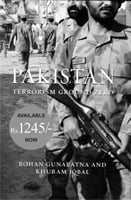
A new book by two experts makes it clear that there is an immediate need to revisit Counter
Terrorism initiatives

Book is available at READINGS and can be ordered at www.readings.com.pk

From FATA to Karachi, Pakistan is continuously under the reign of terror. The target area is being shifted to the Southern port city of Karachi, where almost 90 percent of NATO shipments land, including vital oil

The authors then give a 70 page detail and uptodate account of 12 organisations that have violent extremist groups. It includes LeT, LeJ, Jundullah, SMP, JeM, and MQM. Including MQM in the list may surprise some people, yet the authors are bold enough not to compromise on it. "The National Memorial Institute for preventing terrorism (MIPT), funded by the US Homeland security department , considered MQM a terrorist organisation and brackets it with dozens of other Pakistan based militant outfits". The authors also point out commando training of some MQM members by Sri Lankan Tamil separatists and South African mercenaries in the 1990s. The case is complex because MQM still holds Karachi and won the elections in 2008 in Karachi.

http://jang.com.pk/thenews/jan2011-weekly/nos-02-01-2011/lit.htm#2


Friday, December 19, 2014

The last message to extremists and terrorists


The last message to extremists and terrorists

No one can combat terrorism and extremism if we have open border like FATA , have no go areas like PATA and infected textbooks. we need to fight extremism and terrorism not only at vertical angle but also at horizontal level. No one can fight unilaterally but we need a united front with clear policy. We should link this whole issue with rule of law. From Karachi to FATA there should be one law for all. Removing death planty is not the answer but we have to take some major steps. FATA and PATA are legacies of colonial times and it is high time to finish that legacy. is there any country in the world which have such open border? FATA is open for smugglers, absconders,  revolutionaries, sepoys, law breakers and religious extremists and on top of it this land is being used for illegal trade including human trafficking. As it is linked with afghanistan so  smugglers, absconders,  revolutionaries, sepoys, law breakers and religious extremists from Afghanistan too have access in these lands. Other than FATA we have Provincially administrative areas PATA in all 4 provinces. The other important thing in combating extremism and terrorism is infected textbooks. Provincial government of KPK should give priority to this fight and specially to adjacent districts of FATA. 
Textbook reforms is need of the hour in all 4 provinces and after 18th amendment it is duty of all provincial governments to give it a priority. READ THE ARTICLE PUBLISHED IN WEEKLY HUMSHEHRI
http://humshehrionline.com/?p=8403#sthash.PjfdpIai.dpbs


کسی سیانے کا قول ہے کہ ان پڑھ کو تعلیم یافتہ بنایا جاسکتا ہے مگر کسی گمراہ ہوچکے مرد یا عورت کو اعتدال پسندی و بردباری کی طرف لانا انتہائی کٹھن کام ہے۔ ان خطوں میں ہمارے اجداد تو صوفیاء کی بردباری، یگانگت، انسان دوستی، خلوص و پیار کو دیکھ کر مسلمان ہوئے تھے مگر ہمیں صرف بادشاہوں یا جنگیں اورلشکرکشیاں کرنے والوں کی تاریخ ہی پڑھائی جاتی ہے۔ تاج برطانیہ نے تو 1849سے 1947 تک جو سکول بنائے تھے ان میں پڑھائی جانے والی کتب سے صوفیاء کی تعلیمات کو دیس نکالا دیے رکھا اور ہمیں محض بادشاہوں اور جنگیں لڑنے والوں کی تاریخ پڑھائی گئی۔ جبکہ ہم نے 1947 کے بعد اسی روایت کو ایک اور انداز میں جاری رکھا۔ سوال تو یہ ہے کہ آخر ہم120 سال بعد بھی تاج برطانیہ کی پالیسیوں کے کیوں اسیر ہیں؟ - 


انتہاپسندی کے خلاف جدوجہد اس وقت تک بے توقیر رہے گی جب تک ہم عملی سطح پر یہ تاثر نہیں دیتے کہ یہ لڑائی ہر قسم کے قانون شکنوں کے خلاف ہے۔قانون کراچی تا خیبر یکساں طور پر سب کے لیے ایک ہونا چاہیے اور سب کو قانون کی حکمرانی کی اہمیت کو جان لینا چاہیے۔ چاہے وہ فوجی ہے یاسول بیوروکریٹ، سیاستدان ہے یامذہبی پیشوا، شہر میں مقیم ہے یا دیہات یا قبائل میں رہتا ہے، اسے یہ تاثر ہمیشہ ملے کہ قانون کی نظر میں سب برابر ہیں۔ وہ مسلمان ہے یا مسیحی یا ہندو،سکھ جو بھی پاکستان میں رہتا ہے اسے آئین پاکستان اور قوانین کا عملاً احترام کرنا ہے۔ ملک میں کوئی ’’نو گو ایریا‘‘ نہ ہو نہ ہی وفاقی و صوبائی قبائلی علاقہ جات کے لیے الگ قوانین ۔ کسی فرقہ یا مذہب کے ماننے والوں کو دوسرے مذہب یا فرقہ کے خلاف بولنے، لکھنے کی جرأت نہ ہوسکے کہ ہر پاکستانی کا احترام سب پر لازم ہو۔ اس نسخہ کیمیا کے کارگر ہونے کی اوّلین شرط یہ ہے کہ اس کام کو کوئی فرد واحد نہ کرے کیونکہ ایسی صورتحال میں بھی یہ تمام کوشش بے توقیر رہے گی۔ - 

چپ رہن دی قیمت۔۔۔ یالٹا توں ہرمز تیک ۔۔۔۔۔ چین امریکہ کھیڈاں،بنگالہ دیش دا بننا اتے ہرمزی ایران

  چپ رہن دی قیمت۔۔۔ یالٹا توں ہرمز تیک   چین امریکہ کھیڈاں،بنگالہ دیش دا بننا  اتے ہرمزی ایران   میں پرنٹنگ دا کم کرواندا ساں کہ ہوورے نوے ...