Thursday, December 23, 2021

Punjab Politics, colonial period, Partition of the Punjab & Kashmir, Socio Political movements & Kisan Jhatka


Punjab Politics, colonial period, Partition of the Punjab & Kashmir, Socio Political movements & Kisan Jhatka


Watch discussions on the Punjab, recorded at Australian Punjabi Channel, will update it accordingly. Understanding Punjab is important in many ways but it is also essential to break some popular prides & prejudices first. The aim is to revisit Punjab last 250 years politics. 


Kisan Morcha part 3, What next, Formation of new party, new ways, out of box solutions and connectivity... recorded at 26th December 12.00 pm 


Part 1, 12 December 2021

https://www.youtube.com/watch?v=ZiIJBdTFhqg

Part 2, 19 December 2021

https://www.youtube.com/watch?v=QKo0oRaUsjI

Discussion about political parties in the British Punjab 

Arya Smaj Party, Ghadar Party, Kirti Kisan Party, Singh Sabha & Unionist Party 

Kirti Kisan Party 19 December 2020

https://www.youtube.com/watch?v=g1WTeFtrTWU

Singh Sabha Movement 05 December 2020

https://www.youtube.com/watch?v=DwJxORi7qaM&t=3559s

Ghadar Movement 12 December 2020

https://www.youtube.com/watch?v=XT-2hhUr-oM

Arya Samaj Movement 15 November 2020

https://www.youtube.com/watch?v=FfyuXwonPQc

Rise & Fall of Unionist Party

Part 1 Mian Fazal e Hussain as statesman & founder 26 September 2020

https://www.youtube.com/watch?v=BTVVVzaixgc&list=PL4w76lrSfERzTGrRqZwpY5SDIF53J00sw&index=4

Part 2, Sikandar Hayat and the politics 03, October 2020

https://www.youtube.com/watch?v=tfMuUrI2uHE&t=5273s

Part 3 Post Sikandar Unionist politics 10 October 2020

https://www.youtube.com/watch?v=O2ATv52Qav0&list=PL4w76lrSfERzTGrRqZwpY5SDIF53J00sw 

All 4 parts of  Partition of the Punjab & Kashmir 

https://punjabpunch.blogspot.com/2020/08/partition-of-punjab-kashmir-its-impacts.html

Partition of the Punjab 12 September 2020

https://www.youtube.com/watch?v=yYBNLx65BmU&t=103s

Partition of the Punjab 05 September 2020

https://www.youtube.com/watch?v=u-ulManTIw4

Partition of the Punjab 22 August 2020

https://www.youtube.com/watch?v=gaXDGDjmjps

Partition of the Punjab 20 August 2020

https://www.youtube.com/watch?v=u9jIxgeFW2Q&t=267s

Further important things

Division of the Punjab 18 August 2021

https://www.youtube.com/watch?v=aQ0StWWZ8Eo

Saturday, December 18, 2021

Who killed Parveen Rahman, is still a mystery, even after the court verdict. was it an act of few individuals?


Who killed Parveen Rahman, is still a mystery, even after the court verdict. Was it an act of few individuals? 

This murder may help people of Karachi in many ways and it is usual case in big cities where nexus of crime, business and politics plays vital role yet authorities, media & power players remain reluctant to mention it. 

قتل دے پونے 9 سال بعد فیصلہ آیا، 5 جے آئی ٹیز بنائیاں، 4 سندھ پلس تے اک ایف آئی اے نیں،ایچ آر سی پی عدالت گئی،سپریم کورٹ سو موٹو لتا، میڈیا رولا پایا، قتل بعد پروین نوں ستارہ شجاعت وی دتا پر کراچی دے قبضہ مافیا بارے سب چپ، 


 سال سی 2013، مارچ دا میہینہ سی تےتریخ سی 13 جدوں کراچی  وچ اک سماجی لیڈر اتے او پی پی دی ڈائریکٹرپروین رحمن

دا قتل کیتا گیا۔ ایہہ الیکشن دا سال وی سی کہ کراچی دی پردھانگی دے دعویداراں وچ کھچ دھرو جاری سی۔ پیپلزپارٹی دے راجہ پرویز اشرف وزیراعظم سن جنہاں نوں 11 دناں بعد حکومت چھڈ دینی سی تے پھیر 11 مئی نوں لوک چوناں ہونیاں سن۔پی ٹی آئی لہور دے جلسے بعد نواں جنم لے چکی سی پر کراچی دے پرانے دعویدار اوس نوں قبضہ دین نوں تیار نہیں سن۔ پر وڈا سوال تے ایہہ ہے کہ کتھے پروین طاقت دے کھڈاریاں دے رگڑے وچ آ گئی سی یا ایہہ چند لوکاں دا ذاتی کم سی؟ ایس دی  پڑچول تو پہلاں تسی بی بی سی وچ چھپی سٹوری

پڑھ لو جس دی چوندی چوندی گلاں ایہہ جے، 

نومبر 2014 میں ایک اعلیٰ پولیس افسرنے سپریم کورٹ کو بتایا کہ پروین رحمان نے سرکاری زمینوں کا ایک نقشہ تیار کیا تھا، جن پر مختلف سیاسی جماعتوں سے تعلق رکھنے والے افراد نے غیر قانونی طور پر قبضے کر رکھے تھے۔

پروین رحمان کے قتل کی دلخراش واردات کے اگلے ہی دن اس وقت کراچی پولیس کے ڈی آئی جی جاوید اوڈھو نے ایک پریس کانفرنس کے دوران یہ دعویٰ کیا تھا کہ پروین رحمان کو مبینہ طورپر قتل کرنے والے ایک دہشت گرد، جس کی شناخت قاری بلال کے نام سے کرائی گئی، کو منگھوپیر تھانے کے ایس ایچ او اشفاق حسین بلوچ نے ایک مقابلے کے دوران ہلاک کر دیا ہے۔

لیکن واقعے کے چھ مہینے تک قانون نافذ کرنے والے اداروں کی جانب سے ’اصل‘ ملزمان کی گرفتاری میں ناکامی پر ہیومن رائٹس کمیشن آف پاکستان نے انصاف کے حصول کے لیے سپریم کورٹ کا دروازہ کھٹکھٹایا۔ جس پر چیف جسٹس ناصر الملک کی سربراہی میں قائم ایک بینچ نے کراچی کے ایک ڈسٹرکٹ اینڈ سیشن جج کو اس واقعے کی جوڈیشل انکوائری کے لیے مقرر کیا۔

انکوائری کرنے والے جج نے اپنی رپورٹ میں انکشاف کیا کہ پولیس کی جانب سے اس قتل کے حقائق (یا شواہد) کو بلادریغ مسخ کر کے پیش کیا گیا۔ جوڈیشل انکوائری میں یہ بھی سفارش کی گئی کہ پروین رحمان کے قتل کیس کی تفتیش ازسرنو کسی مستعد، آزاد اور ایماندار پولیس افسرسے کرائی جائے۔

جے ایہہ کیس نرا ذاتی سی تے پھیر ایہہ کیہہ سی؟ بی بی سی والی سٹوری وچ ایہہ وی لکھیا ہے کہ 

 2016 میں کراچی سے ایک اور ملزم رحیم سواتی کو گرفتار کیا، جن کے بارے میں کہا جاتا ہے کہ وہ ماضی میں اس علاقے سے عوامی نیشنل پارٹی کی طرف سے کونسلر منتخب ہو چکے تھے، جہاں اورنگی پائلٹ پراجیکیٹ کا دفتر قائم تھا۔ وہ مبینہ طور پر منگھو روڈ پر پانی کا ایک غیرقانونی ہائیڈرنٹ چلا رہے تھے۔ اس کے بعد پولیس نے رحیم سواتی کے بیٹے عمران سواتی، ایاز شامزئی عرف سواتی، محمد امجد حسین شاہ کو بھی گرفتار کیا۔ مارچ 2018 میں کراچی کی ایک انسداد دہشت گردی کی عدالت نے پانچوں گرفتار ملزمان پر فرد جرم عائد کی لیکن انھوں نے صحت جرم سے انکار کرتے ہوئے کیس لڑنے کا فیصلہ کیا۔

پر پھیر ایس کہانی وچ اے این پی توں گل تحریک طالبان ول موڑ دتی جاندی ہے پر اخیر ہر کوئی لیند مافیا دی گل ضرور کردا ہے۔ بی بی سی سٹوری وچ لکھیا ہے کہ 

 جنوری سنہ 2013 میں رحیم سواتی کے گھر پر ملزمان نے ایک میٹنگ کی جس میں ان کے قتل کی پلاننگ کی گئی اور بعد ازاں ملزمان نے مبینہ طور پر کالعدم تحریک طالبان پاکستان کے مقامی لیڈر موسیٰ عرف محفوظ اللہ عرف بھولو کو پیسے دے کر ان کو قتل کروایا۔ پروین رحمان کی بہن عقیلہ اسماعیل، جو ان کے قتل کے کیس میں مدعی ہیں، کے وکیل صلاح الدین پنہورکے مطابق سات سال کے عرصے میں سپریم کورٹ کے احکامات پر سندھ حکومت نے چار جے آئی ٹیز تشکیل دیں لیکن ان کی مؤکلہ نے سندھ پولیس پر عدم اعتماد کا اظہار کرتے ہوئے سپریم کورٹ سے استدعا کی تھی کہ وہ وفاقی حکومت کو حکم دے کہ وفاقی تفتیشی ادارے (ایف آئی اے) پر مشتمل نئی جے آئی ٹی تشکیل دے جو ان کی بہن کے قتل کی ایک بار پھر ازسرنو تفتیش کرے۔ اپریل 2018 میں جے آئی ٹی نے یہ انکشاف کیا کہ تفتیش سے یہ بات ثابت ہوئی ہے کہ پروین رحمان کے قتل سے کراچی میں لینڈ مافیا کو واضح طور پر فائدہ ہوا تھا۔

ایس توں بعد امریکی ریڈیو تے دتے پروین دے انٹرویو ول گل آندی ہے تے ایس وچ وی لینڈ مافیا دی گلاں مڑ ہوئیاں تے نال پروین نے کجھ ناں وی لتے، بی بی سی سٹوری وچ لکھیا

ملزمان کے وکیل صفائی ایڈووکیٹ شاہ امروز خان کا کہنا ہے کہ استغاثہ کے کیس میں جان نہیں۔

انھوں نے بتایا کہ پانچویں جے آئی ٹی نے یہ نتیجہ اخذ کیا کہ قتل ہونے سے 15 ماہ قبل پروین رحمان نے امریکی ریڈیو کے نمائندے فہد دیشمکھ کو ایک انٹرویو میں ملزم رحیم سواتی کو ’قبضہ مافیا اوربھتہ خور‘ کہا تھا اور الزام لگایا تھا کہ وہ ان کے دفتر کی زمین پر غیر قانونی قبضہ کرنا چاہتے ہیں۔ وہ کہتے ہیں کہ ’اپنے انٹرویو میں پروین رحمان نے دیگر اہم شخصیات کے بھی نام لیے تھے جن سے جے آئی ٹی نے تفتیش بھی کی تھی۔ان میں بحریہ ٹاؤن کے مالک ملک ریاض، متحدہ قومی موومنٹ کے رہنما ڈاکٹر فاروق ستار، اورنگی ٹاؤن سے ایم کیو ایم کے سابق ایم پی اے عبدالقدوس اور پاکستان پیپلز پارٹی کے رہنما تاج حیدر وغیرہ سے بھی تفتیش کی تھی لیکن جے آئی ٹی نے ان کو گواہ بنا کر عدالت میں پیش نہیں کیا اور نہ ہی ایسی شخصیات کے متعلق اپنی رپورٹ میں کوئی حتمی رائے دی۔‘

پروین دے انٹرویو دی ریکارڈنگ پوری نی ملی البتہ اک کلپ پیا ہے اوہ سن لو آپ

ایتھے کلک کرو تے آپ سنو

ٹربیون ڈان تے دی نیوز دی سٹوریاں وچ وی  لینڈ مافیا بارے گل لکھی گئی ہے لنک تھلے جے ویکھ لو آپ، ہن پروین دے قتل نوں ذاتی عمل بناون ول گل ودھ گئی پر ایہہ سوال اپنی تھاں اہم جے کہ کیہہ اک نکا قبضہ گروپ 4 جے آئی ٹیز نوں گھجل کنج کر سکدا سی

ڈان دی سٹوری جو پروین دی 8ویں برسی تے چھاپے چاڑھی

Perween Rahman had identified ‘land grabbers’ before murder, court told

دی نیوز دا لنک، ایہہ وی 13 مارچ 2021 نوں چھپیا

https://www.thenews.com.pk/print/803350-perween-rahman-had-named-killer-in-interview-before-assassination-atc-told

ٹربیون دی سٹوری جو فیصلہ سناون دی اگلی سویرے چھپی

https://tribune.com.pk/story/2334379/four-sentenced-to-life-in-perween-rahman-murder-case

ملزماں نوں سزاواں ہو گیاں، ہن اوہ ہائیکورٹ تے سپریم کورٹ جاون دا حق رکھدے جےکہ جے ایس کیس دی رپوٹنگ نوں ہی سامنے رکھیا جائے تے ایس وچ کدی مذہبی رنگ چڑھیا تے کدی قومیتی، پر لینڈ مافیا دی گل ہر تھاں ہوئی۔ پر 2014 وچ کراچی وچ زمیناں دے قبضے والے جس نقشے نوں پروین بنایا سی اوہ کتھے ہے؟ 

نومبر 2014 میں ایک اعلیٰ پولیس افسرنے سپریم کورٹ کو بتایا کہ پروین رحمان نے سرکاری زمینوں کا ایک نقشہ تیار کیا تھا، جن پر مختلف سیاسی جماعتوں سے تعلق رکھنے والے افراد نے 


Thursday, December 16, 2021

اساں اگرتلہ سازش کیتی سی۔ سازش وچ پھڑیچے بنگالی دا بنگلہ دیشی پارلیمنٹ وچ اعتراف۔ غدار یا آزادی دے مجاہد


Confession of another Kind? Agartala conspiracy case was not false said an accused

بنگلہ دیش بنن دے 50 سال اج پورے ہو رہے جے۔بنگلہ دیشیاں لئی ایہہ آزادی دا دیہاڑ ہے تے پھیر پاکستانی ایس نوں کنج ویکھن؟ ایہو اوہ سوال ہے جس بارے غور کرنا لوڑی دا ہے۔جنج پاکستان بناون دی جدوجہد وچ رلتی انڈین قوم پرستاں لئی غدار سن؟ کیہہ غداری دی تعریف کجھ غلط ملط نہیں ہو گئی۔انگریزاں دے قبضے خلاف برٹش انڈیا وچ لڑن والے برٹش انڈین ایڈمنسٹریشن لئی غدار سن۔ آزادی دے مجاہد تے غدار وچ وال بربر فرق کیوں؟74 ورہے پہلاں برٹش انڈیا وچوں دو ملک بنے سن اتے بھارت تے پاکستان آکھوائے سن۔ پھیر 50 سال پہلاں پاکستان وی ٹٹیا تے بنگلہ دیش بن گیا۔ جداں سیاسی تے جمہوری رستے مک جاندے جے تے گل تیزی نال وگڑدے ہوئے غداریاں ول ٹر پیندی ہے کہ تاں مارے آئین بنایا جاندا ہے تے گل میز تے ہی کرن دی گل رکھی جاندی ہے۔ چلو ایہہ گلاں تے ہوندیاں رہن گیا کہ پہلے شوکت علی ہوراں دی گل سنو جو انہاں 35 ملزمان وچ شامل بنگالی دانشور سن جنہاں نوں اگرتلہ کیس وچ مئی 1968 نوں عدالتی ٹربیونل اگے پیش کیتا گیا سی۔ 

 
جون 2010 وچ بنگلہ دیش دے مشہور اخباردی سٹار
وچ انہاں دا بیان چھپا۔ اوہ اوس ویلے بنگلہ دیشی اسمبلی دے ڈپٹی سپیکر وی سن۔ انہاں کہیا کہ نیوی دے سٹیورڈ مجیب الرحمن تے تعلیمی ماہرعلی رضا بھارتی تھاں اگرتلہ گئے ساں تے بھارت کولوں  
 مشرقی بنگال لئی اسلام آباد توں وکھرے ہون لئی مدد منگی سی۔ شوکت علی
پچھلے سال پورے ہو گئے سن نومبر 2020 وچ۔ انہاں دا اینج دا ہی اک ہور بیان

فروری 2011 دا پیا ہے۔ چیتے رہے پئی افرتلہ کیس اوہ مشہور قصہ ہے جس پاروں بنگالی رہنما شیخ مجیب الرحمن دی گڈی چڑھی سی تے اوہ مولانا بھاشانی نوں وی پچھے چھڈ دتا سی۔ شیخ مجیب ہوراں 1966 وچ لہور آ کے چھ نکات پیش کیتے سن جو انہاں دی پارٹی دا منشور سی۔ انہاں مشرقی تے مغربی پاکستان وچ پیرٹی دے رہندے ہوئے کمزور مرکز دی گل کیتی سی۔ چیتے رہے کہ 1966 اوہی سال ہے جداں ملک دی سب توں وڈی ترقی پسند قوت نیشنل عوامی پارٹی روس چین جھگڑیاں دا شکار ہو کے نیب ولی تے نیب بھاشانی بن چکی سی۔دوجے پاسے تاشقند وچ عوام نوں دسے بغیر جداں ڈکٹیٹر ایوب خان نے کشمیر دا سودا کرن پاروں تاشقند معاہدی کیتا تے اس دا وزیر خارجہ ہی بغاوت کر گیا۔ اوہ ہور کوئی نہیں سگوں ذولفقار  علی بھٹو ہوری سن۔1966 دے سال دیاں ہور وی اہمیتاں جے کہ ایسے سال جون وچ جنرل موسی دی تھاں جنرل یحی آرمی چیف بنیا سی اتے شاہراہ قراکرم دا رستہ تبدیل کر کے پکا کم وی ایسے سال ہویا سی۔ 1968 جنرل ایوب دا اخیری سال سی پر اوس نوں ایس دا پتہ نہین سی۔ جنج مشرف نوں ایہہ پک نہیں سی کہ 2007 دے سال اوس دے دن گنے جا چکے سن۔ 1968 مئی وچ جنرل ایوب دے ہرکاریاں نےشیخ مجیب الرحمن نوں 34 سہولتکاراں سنے پھڑ لتا تے  
بنا دتا۔ الزام ایہو سی کہ انہاں 35 بندیاں بھارت نال مشرقی بنگال دی آزادی لئی گٹھ جوڑ کیتا ہے۔پر کیس بناون والیاں ایہہ نہ سوچیا کہ پاکستان بناون والے بنگالی ہن کیوں بھارت نال رلن لئی تیار جے؟پھڑیچے لوکاں وچ فوجی تے سول سرونٹ وی سن پر فوجیاں تے آرمی ایکٹ دے تحت کیس نی چلایا گیا۔اک سپیشل ٹربیونل بنایا گیا جس وچ ترے جج سن تے پردھان سن جسٹس ایس اے رحمن۔ باقی دو بنگالی سن۔ ٹی ایچ خان (اٹارنی جنرل) تے منظور قادر سرکار دے وکیل سن تے مجیب ولوں اک برٹش وکیل تھامس ویلئیم رلتی سن۔اوس ویلے تیک مجیب الرحمن مولانا بھاشانی دے مقابلے وچ نکا لیڈر سی۔اک پاسے سازش کیس چلیا جس پاروں مجیب دی گڈی ہوا وچ آندی گئی تے دوجے پاسے اندروں ڈرے ایوب خان نے اکتوبر 1968 وچ دس سالہ جشن مناندے ہوئے ڈر لاون دے جتن کیتے۔تاشقند دے رازاں نوں کھولن دی للکار لا کے بھٹو ایوبی رعب توڑ دتا سی کہ بقول جنرل گل حسن (سی جی ایس)فوجی جوان وی ایہو سمجھدے سن کہ جوان تے بھارت خلاف لڑے سن پر ایوب ٹیبل تے جنگ ہار آیا سی۔ 1967 اتے 196 اوہ سال جس وچ اینٹی ایوب لہر تگڑی ہوئی اتے دوجے پاسے بھٹو نے اپنی پارٹی  
کھڑی کیتی۔
ایوب دے جوائی دے پیو یعنی والی سوات نے اپنی بائیوگرافی وچ دسیا ہے کہ جداں اوہ نومبر 1968 وچ ایوب نون ملن اسلام آباد آیا تے ملاقات نہ ہو سکی۔ پھیر اوس نوں پتہ چلیا کہ ہن ایوب نال ملن دی اجازتاں جنرل یحی دیندا ہے۔ یحی، ضیا یا مشرف دے اکیری مہینیاں دی کہانیاں وی اینج دیاں ہی جے۔یحی اپنے پتے نویں تے وکھری ترتیب نال جوڑ چکیا سی۔اکیری وار کریندے ہوئے ایوب آل پارتی کانفرنس سد لئی تے سب سیاستداناں نون آکھیا کہ جو آکہو اوہ کر لیندے ہاں۔ ون مین ون ووٹ وی تے باقی سب گلاں وی۔ فروری1969 نوں ایہہ کانفرنس ہونی سی تے اپوزیشن نے مجیب نون کانفرنس وچ سدھن دا ترپی پتہ کھیڈیا۔اوہ مجیب جس تے بھارت نال رلن دا الزام سی۔ ایوب مجیب دی رہائی دا فیصلہ کیتا یا یحی، ایہہ راز ہی ہے پر تاشقند بعد ایوب دا رعب ٹٹا سی تے مجیب دی رہائی بعد ایوبی طاقتاں تار تار ہو گیان۔ غداری دی تلوار پتھی پھر گئی۔ ایس نوں ویکھدے ہوئے بھٹو تے بھاشانی نے ایوب دی بلائی کانفرنس دا بائیکاٹ کریندے ہوئے وڈی سٹ ماری۔ اگرتلہ سازش سی یا نہیں، پر گیماں وچ گیماں پیندیاں جے تے بوتھی ہور دی ہور ہو جاندی ہے۔شوکت علی دا اعتراف تے جتو بنگلہ دیش وچ آزادی دا تمغہ لین اتے بنگلہ دیش دی نصابی کتاباں وچ اپنا ناں لکھوان لئی سی پر اج جے 50 سال بعد ایس سب نوں سارے پکھاں توں اساں نہ ویکھ سکئیے تے پھیر کسے ہور دا کوئی قصور نہیں۔ 


Deputy Speaker Shawkat Ali yesterday said the background of the historic Agartala Case was "incorrectly" described in the school textbooks.
He urged the education ministry to take steps for its correction.
"Two textbooks for class 9 and 10 carried a nearly identical description of the case from which it appears that the Agartala case was merely a political event related to Bangabandhu's historic six-point movement," he told BSS on the sidelines of a discussion on the historic event.
Shawkat added: "But as a matter of fact, several military officers and civil servants were involved in the case as we wanted to liberate the country from Pakistan through an armed
revolution under the leadership of Bangabandhu Sheikh Mujibur Rahman" which was not directly linked to the six-point.
He added that as part of the plan called as "the Agartala Plot" navy steward Mujibur Rahman and educationist Mohammad Ali Reza went to Agartala to seek the Indian support for Bangladesh's independence.
"Agartala case was not related to the six-point movement . .. had it been so the accused like ours -- the military and civil government officials -- would not have the scope to get involved, though we had wholehearted support for it," said Shawkat who was a captain of Pakistan army at that time and was arrested to face the trial.
Earlier, speaking at the discussion organised by Oitihashik Agartala Mamla Mulyayan Parishad, the deputy speaker urged the textbook board authorities to evaluate equally bullet-wounded flight sergeant Fazlul Haque along with martyred flight sergeant Zahirul Haque.
The Pakistani troops shot them simultaneously as they awaited trial in military custody in Dhaka cantonment.
The Agartala Case, popularly called Agartala Conspiracy Case, which had set a new course in the history of the country's independence struggle, was filed in early 1968 implicating Bangabandhu and 34 other Bengali civil servants and army, navy
and air force officers and politicians for hatching a "plot".
The case was officially called State vs. Sheikh Mujibur Rahman and others while the then Ayub Khan regime of Pakistan resolved to frame charge against 35 people with Bangabandhu being the prime accused.
The case ultimately resulted in the fall of General Ayub Khan in 1969 and subsequently led the nation towards the 1971 Liberation War.
"The Agartala incident was not untrue . . . we wanted to liberate the country from Pakistan," Shawkat told a function three months back as he urged all concerned to disseminate the fact to the countrymen to spread the spirit of the War of Liberation.
The Star, 12 june 2010

Tuesday, November 30, 2021

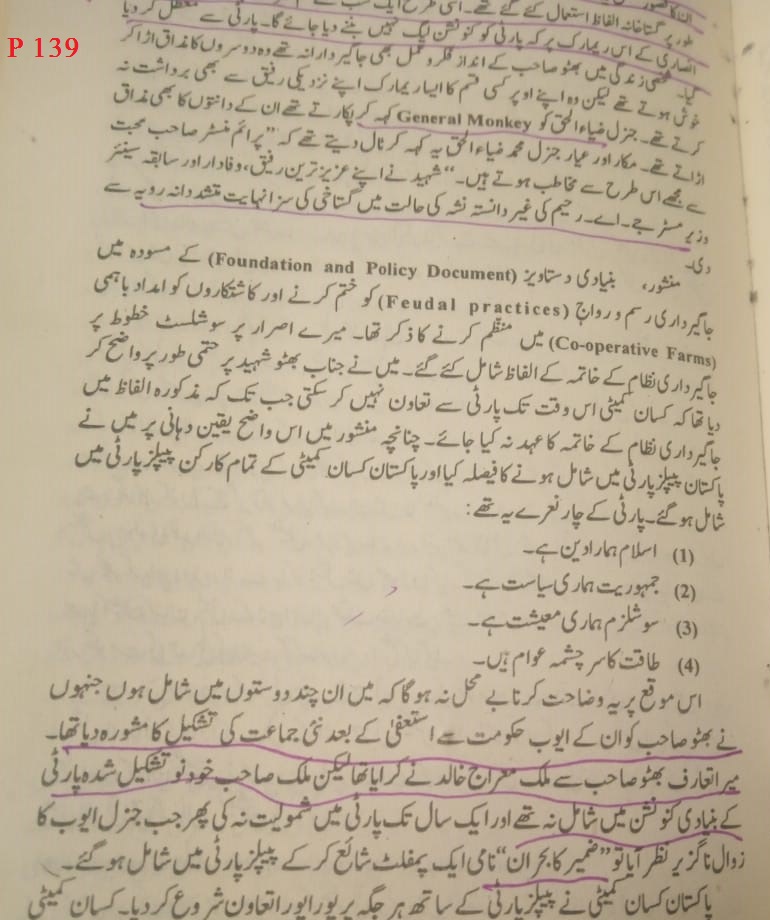
History of PPP as told by its socialist arm Sh Rashid (Extracts with comments)


History of PPP as told by its socialist arm Sh Rashid (Extracts with comments) 

The book was published by Jang Publishers & then reprinted by Jumhoori publications & it is an autobiography of a pre-partition political worker of the Punjab who worked in All India Muslim League, Azad Pakistan Party of great Mian Iftiqaruddin, formed Kisan committee in 1952 and finally landed with his huge experience and following in PPP in 1967. He was among those PPP founders who in-spite of  many reservations did not left the party for once till his death. His book is an essential part not only of PPP history but also an integral part of People's history of Pakistan. His frank analysis of the party as well as leadership is an essert for all political class in Pakistan. Although the book needs editing and more apendices but even in current form it covered all important events with little courage. 
Will try to add more extracts/comments and this post is the beginning

Extracts/comments 

1-The story of 4 Mozang road is still missing in the Party that worked as first headquarter of the PPP before its formal birth at 30th November 1967, here you can read names of political workers like student leader Amanullah, Zafryab, Iftiqar Ahmad, Sadiq Maseh, Rozi Khan, Ahsanullah Khan, Abdus Sttar Najam, Yousaf Samdani, Parveen Asghar, Musrat Shaukat, Aslam Gurdaspuri, Shahid Jamal Ansari, Avais Peerzada, Ziauddin Butt, Mahmud Butt etc.  Among them many were also work in left groups because after the split of NAP,(1966) left workers were also divided in many factions. Numerous left groups were created in that period yet a huge majority of left workers remained aloof or lost confidence from left leaders primarily due to Pro Moscow & Pro Chinese alien conflict & also due to fierce factionalism.   


2- Birth of Party, in political centre of Pakistan & capital of the Punjab, Lhore. Zulfiqar Ali Bhutto, the founder had no experience of people's politics yet he knew the mindset, priorities, weaknesses etc of power elite well. As a good reader he knew about people revolutions too. His father Sir Shahnawaz Bhutto was expelled from Sindh politics in mid 1930s along with Sir Abdullah Haroon. ZAB had started a new journey, from elite politics to People's politics. In elitiest Sind Club everyone knew ZAB well, he knew Sindhi elite including power brokers in Karachi too, but why he decided to form his party in the capital of the Punjab, Lhore? He had a close association with Karachi based communist leader Tufail Abbas as well as student leaders of Karachi NSF but he choose to winover Punjabis and due to his class base party policies Punjabis welcomed him unprecedentedly. 


3- Formative Period. As Sheikh Rasheed was among the founders and in founders he was among the seniors so he used frank commentary about his leader and party comrades that made this book remarkable in many ways. Bhutto sahib made jokes for other people often yet if any of his close associate did same with him he made him a bad example. Author wrote unfortunate incidents of Ansari, amanullah & J A Raheem and linked it with feudal background of ZAB. Such constructive criticism is backbone in a democratic party and in-spite of all odds, for the author, ZAB was a great leader too. ZAB, Nusrat Bhutto & BB were fortunate to have such people around them. After resigning from the cabinet of Dictator Ayub Khan on the issue of misleading Tashkent Declaration (Jan 1966) (It was a big Uturn & Ayub neither took it in front of parliament or media before going to Tashkent.). After resignation ZAB wanted to involve people in the larger debate. For that purpose he either  joined some party or formed his new party. NAP was the main progressive opposition party but in 1966 it was divided between pro moscow Wali group & Pro  Chinese Bhashani group. Like Mian Iftiqaruddin, Mahmud Ali Qasori ZAB had also interest in making good relations with China but Pro US & Pro British lbies (Including Pro India) were against revolutionary China. In those circumstances ZAB finally agreed to form his new party and people like Sh Rasheed , Tufail Abbas etc advised him for making new party, it was a big challenge because no one knew when Ayub would fall. Why ZAB did not joined NAP Bhashani, is still an unexplored area although Hussain Naqi and Abid Hassan Manto had commented on it. Tashkent agreement was a smart move to sideline Kashmir issue yet ZAB exposed the dictator who was ready to compromise on Kashmir without even discussing. Opposing Tasgkent agreement was not an anti-India issue but it was a pro people issue. Sh Rasheed joined ZAB because he was among those 30 people from both East & West Pakistan who with Mian Iftiqaruddin had attended 3rd birthday celebrations in China in 1952 under the leadership of Peer Manki Sharief. It had Sheikh Mujeeb, Attaur rehman, Shaukat Hayat Khan, Mahmud Ali Qasori, Labour leader Mubarak Saghar and editor Mazhar Ali Khan like people too in it. One should keep in mind that in 1952, UN under US & European pressure had given veto power to exile selected govt & powerful section of our pro american cum pro British elite was against Red China. In his book Abdul Rauf Malik mentioned that a pamphlet was banned by State of Pakistan in favour of revolutionary China and it was published by CPP headquarter from Lhore few months before Chinese revolution. So these 30 people were pioneers who pushed the State to accept Red china. As par Sheikh Sahib narrative, it was he and some other progressive people who pressurised ZAB to include anti feudal agenda on top in the new party as a prime policy. 


4- PPP in the Punjab  P 144 & P149


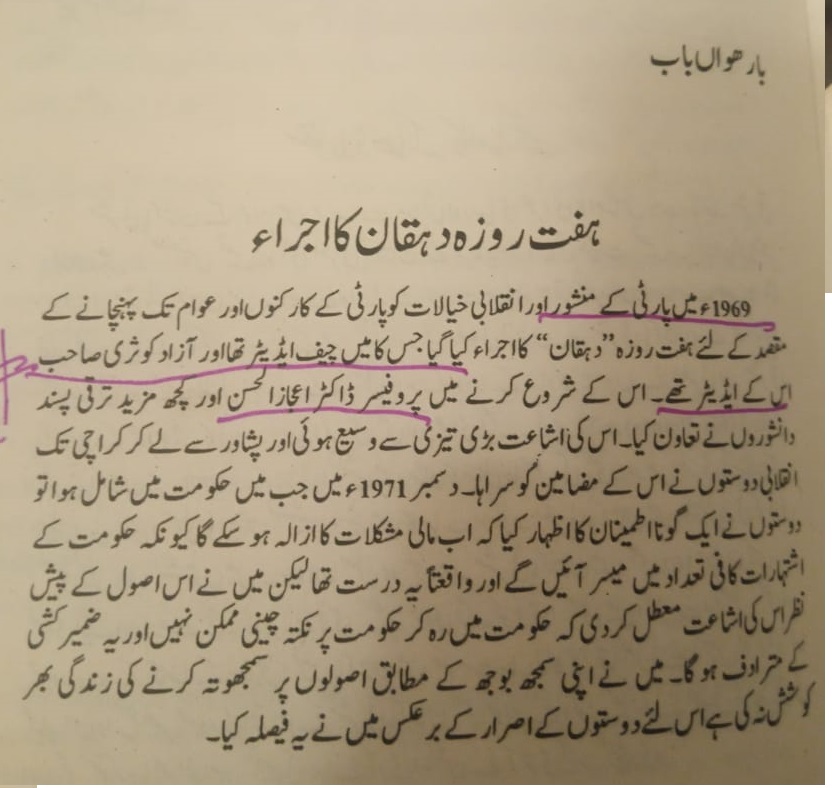
5- Dahqan, the intellectual journey ... setting the agenda... Azad Kausari, Mian Ijazul Hassan, Professor group P 161


6- How Punjab turned the tables first time in the history of People's struggle in Pakistan and defeated the elite, Bhutto rightly won the Punjab on class question but his opponents especially from progressive circle declared it an Anti India victory. It was a defeatist analysis because exponents of Shaukat Islam (right wing pro Yahya group under JI) were fierce enemy of India, very vocal but Punjab rejected them in 1970 elections. Out of 82 seats, ZAB won 62 seats (more than 70%) in the Punjab. Majority of other 20 seats were from South Punjab big landlords. Central Punjab & GT road was almost 90% with PPP. Sh sahib too accepted that forgotten truth. We got central government just because of the support of the Punjab. But now a days, since last two decades, PPP herself is practically negating such history and ready to divide Punjab , her birth place. See P159 below


7- In Power, Land reforms was an important landmark like Generic names bill about medicine but later forgotten by the party under the pressure of WB like international power brokers. Even today instead of wasting time in power gimmicks,  party can revive those policies keeping in view the new changes especially connectivity & globalization with reference to People's perspective. 


8- Dr Mubashir Hassan, Aitzaz Ahsan, Sadiq Hussain Qureshi, Ramay, Mumtaz Bhutto, Jatoi, Laghari, Kausar Niazi and many insiders who ditch the party time and again as recorded by Sheikh Rashid, baba e Socialism. Why secular Wali Khan had joined Nizam e Mustafa movement against Bhutto and than after 5th July 1977  Marshallah, he demanded accountability from military dictator Gen Zia ... phalay ahtisab...pher intikhab is also recorded by the author. 


To be continue...........


Monday, November 22, 2021

Question of Punjabi Learning, Punjabi Department & Special Praise for Punjabi Farmers


Question of Punjabi Learning, Punjabi Department & Special Praise for Punjabi Farmers

Guests:
Professor Dr Nabila Rehman Director Institute of Punjabi & Cultural Studies (Former Department of Punjabi) Punjab University
Professor Zubair Ahmad Short story Writer, Publisher (Kitab Tarinjan)
Shagufta Gimmi CEO Gimmi Foundation, London

Recorded at MastFM103, Lhre studios 19 November 2021

A video clip of the program


For complete recording click the link below


Further readings

Thursday, October 14, 2021

Nain Sukh won Dhahan prime award 2021, The first Pakistani Punjabi... Wdhayaan


Nain Sukh won Dhahan prime award 2021,
 The first Pakistani Punjabi... Wdhayaan 

For more information about the award click below link


25ہزار ڈالراں دا عالمی  پنجابی ایوارڈ جتن والے پہلے پاکستانی  کہانی کار خالد محمود دھولکہ  المشہور نین سکھ نوں


ودھائیاں


Dhahan Prize Announces 2021 Winners for Best Punjabi Fiction


For more information click HERE


40 توں ودھ کتاباں وچوں جتھے زیادہ کتاباں گورمکھی دیاں سن، نین سکھ نے  پہلا انعام جتیا تے ایہہ پاکستان، پاکستانی پنجاب تے شاہ مکھی لئی وی ودا مان جے۔ ایہہ ایوارڈ 8 سالاں توں جاری ہے  کہ  اوہ پہلے شاہ مکھی  لکھاری جے جنہاں نوں 25 ہزار ڈالراں یعنی 35 لکھ پاکستانی روپیاں دا پہلا انعام ملیا ہے۔ باقی دو ایوارڈ جو دس، دس ہزار ڈالراں دے جے اوہ دلی دے بلبیر مادھو پوری تے امرتسر دی پنجابی زنانی لکھاری سرگی جموں ہوراں نوں ملے۔ کنیڈا وچ کل رات ہون والے اکٹھ وچ  ایہہ اعلان  ڈھاھاں ایوارڈ دے ایدوائزری بورڈ دے چئیرمین، لکھاری،کہانی کار، شاعر تے پنجابی زبان لئی کنیڈا وچ کم کرن والے پردھان سادھو بیننگ  ہوراں کیتا۔ سرگودھا دے جم پل اتے لہور رہن والے خالد محمود ایڈووکیٹ  نوں ایہہ ایوارڈ انہاں دی نویں کتاب '' جوگی، سپ تے تراہ'' تے ملیا جس نوں کتاب تنجن چھاپے چاڑھیا ہے۔ بلبیر مادھوپوری نوں ایوارڈ انہاں دی کتاب ''متی بول پئی'' تے سرگی جموں نوں انہاں دی کتاب ''اپنے اپنے مرثئیے'' تے ایوارڈ ملے۔  


مشہورپاکستانی پنجابی کہانی کار،ناول نگار اورشاعر نین سکھ نے کینیڈا سے جاری عالمی پنجابی ایوارڈ ''ڈھاھاں'' کا پہلا انعام جیت لیا۔ وہ پہلے پاکستانی ہیں جنھوں نے 35 لاکھ کا انعام اپنے نام کیا۔ یہ ایوارڈ گذشتہ 8 سالوں سے جاری ہے اور ہر سال پنجابی فکشن پر یہ ایوارڈ دیا جاتا ہے۔ اس سے قبل 7 بار جن کو پہلا انعام ملا ان میں کوئی پاکستانی نہیں تھا کہ اس سال خالد محمود ایڈووکیٹ المعروف نین سکھ کی وجہ سے پاکستان کو یہ اعزاز ملا ہے۔ کل رات 11 بجے کہانی کار،شاعر چئیرمین ایڈوائزری بورڈ اور کینیڈا میں پنجابی زبان کو ریاستی سطح پر منوانے والےسادھو بیننگ نے یہ اعلان کیا۔ مشہور عالمی ادارے برٹش کولمبیا یونیورسٹی کے تعاون سے جاری اس ایوارڈ کودنیا ایک قدر سے دیکھتی ہے۔ تقریب سے ایوارڈ کے بانی برج ڈاھاں نے بھی خطاب کیا۔ نین سکھ کو انکی نئی کتاب '' جوگی، سپ، تراہ'' پر یہ ایوارڈ ملا ہے جسے پنجابی کتابیں چھاپنے والے ادارے ''کتاب ترنجن'' نے چھاپا ہے۔ اس سے قبل نین سکھ کو ڈھاھاں کا دوسرا ایوارڈ ملا تھا جو 5 ہزار کینیڈین ڈالر کا تھا جبکہ یہ ایوارڈ 25 ہزار کینیڈین ڈالر کا ہے۔ 2021 کے باقی دو ایوارڈ دلی کے بلبیر مادھو پوری اورامرتسر کی سرگی جموں کو ملے ہیں۔ بلبیر مادھوپوری کو ''مٹی بول پئی'' اور سرگی جموں کو انکی کتاب ''اپنے اپنے مرثئیے'' پر ایوارڈ ملے ہیں۔ یہ دونوں ایوارڈ دس، دس ہزار کینیڈین ڈالروں کے ہیں۔ ایوارڈ کی پروقار تقریب سے برج ڈھاھاں کے علاوہ سادھو بیننگ،ہریندر کور ڈھاھاں اور شہزاد نذیر خاں نے بھی خطاب کیا۔ خالد محمود دھولکہ المعروف نین سکھ کا تعلق سرگودھا سے ہے اور وہ عرصہ دراز سے لاہورمقیم ہیں۔


Further readings about Nain Sukh

Madhulal Hussain a Novel

Aye Puray di wah Short Story collection

Review of Shaheed Short stories

Review of Dharti Punj Dariayee

Friday, September 3, 2021

Lhore in 1920s as described by K K Aziz


LHORE in 1920s till 1947

لہور، لہور اے


Partition of the Punjab of 1947 had ruined my city yet in many ways it has an inclusive approach, still in its veins. In between 1920s, 30s and 40s the city had witnessed many movements, misleading & illegal court decisions, K L Gaba, tricky Shaheedganj Sikh Muslim riots, rise & fall of Unionists, Lhore Improvement Trust, Lhore resolution etc but what K K wrote is also a strong color of the city. Lhore was in front row in Politics, Culture, Literature, leading the Punjab and that is why Congress favored its partition. 


Now you read what K K Aziz wrote 

From the 1920s onwards, perhaps since even earlier, Lahore was the most highly cultured city of north India. From here appeared the largest number of Urdu literary journals, newspapers and books and two of the best English language dailies. The Mayo School of Arts was flourishing. The Young Men Christian Association was active and its premises and hall were used by all communities for literary and social activities. The Government College was a distinguished intellectual centre whose teachers were respected and students considered to be the best representatives of modern Western education. The Oriental College was engaged in first class research. The annual plays staged at Government College and Dyal Singh College were awaited by the city’s elite with high expectations. Eminent journalists and columnists wrote for newspapers and graced literary gatherings. 


The city rang with the echoes of the poetry of Faiz Ahmad Faiz, Noon Meem Rashed, Hafeez Jullunderi and Akhtar Shirani. The Niazmandan-i-Lahore, the magic circle of A.S. Bokhari, M.D. Taseer, Hafeez Jullandheri, Sufi Tabassum, Syed Imtiaz Ali Taj and Hari Chand Akhtar, created enormous waves in the world of Urdu literature.


The well-to-do Westernized elite drank and danced and talked in the Gymkhana and Cosmopolitan clubs. The home grown dazzling lights set off their fireworks at the Arab Hotel, Nagina Bakery, Muhkam Din’s teashop, Halqa-i-Arbab-i-Zauq, India Tea House and India Coffee House. The greatest in the land, like Tagore, came and spoke at the SPSK Hall. Political debates were held at Bradlaugh Hall, Amrita Sher Gill painted and B.C. Sanyal sculpted. The best British and American films were screened at Regal and Plaza. There was even a school of ballroom dancing on the upper storey of Regal. The baithaks in the walled city trained young musicians and singers and invited the connoisseurs to come and listen to classical music. The radio came a little later and the literati wallowed in a new channel which immediately enlarged the circulation of what they wrote, said or composed. With Bokhari’s genius presiding over the radio network, the first generation of literary broadcasters was in the making.


A glorious physical setting for this pulsating intellectual activity was provided by the Lahore that the British had built between 1860 and 1935. Impressive edifices adorned the landscape: Lawrence Hall, Chiefs’ College, Government House, High Court, Masonic Lodge, Legislative Assembly, General Post Office, Museum, Mayo School of Arts, the University, Government College and Central Training College. 


The queen of all roads, the Mall, was bordered by tall trees and wide footpaths, and boasted a glittering array of expensive shops. The race course and the Lawrence Gardens were the lungs of the city. No high-rise buildings existed. With no encroachments the roads looked wider. The bungalows of Davis, Empress, Egerton, Queens and Jail Roads were elegantly built and located in the middle of green lawns. The skyline was soothing. Nature’s green was the dominating colour of the city. Breathing was easy, and so was enjoying life.


Like all civilized cities, Lahore provided a wide range of restaurants where people gathered for pleasure, social interaction and intellectual gossip. The Nedous Hotel stood where Hilton was later built and still later the Avari; in it lived Abdullah Yusuf Ali who completed his translation and commentary of the Quran in one of its first-floor rooms. The serene Faletti’s was centrally located on Egerton Road, behind the assembly chamber and facing Rai Bahadur Saran Das’s mansion. Jinnah, Abul Kalam Azad and Ava Gardner stayed here. Later Sir Firoz Khan Noon made it his home.


At the corner of the present day WAPDA House, and facing the assembly chamber, was the Metro, where in summer tea was served alfresco and Miss Angela did her cabaret show. In the two hall-size rooms of the Shah Din Building was the Lorangs, the finest restaurant in town, patronized by the elite. Near it stood the Stiffles where the guests dined in dinner jackets, danced in the evening and lunched with their friends in as English an ambience as could be conceived. The Standard had its large premises next to the driveway leading to Regal Cinema and facing the Mall. Several steps lower than Stiffles and Lorangs in glory, status and prices, it catered for the middle class and was always crowded; in summer it used the large space between its building and the footpath as an open air tea house.


At the other end of this “West End” of Lahore was a cluster of humble eating places where the modest and poor intellectuals got together and stayed together for long hours, sipping coffee or tea, drinking glasses of water, and settling the problems of the world. The best of them was the India Coffee House, established by the Indian Coffee Board in the mid-1930s to popularize the drink. Next to it was the Cheney’s Lunch Home, and a hundred yards away the India Tea House. Almost next to it was the YMCA where the Halqa-i-Arbab-i-Zauq met every week. The “oriental” places drew a mixed crowd of journalists, poets and men of letters: the Arab Hotel on Railway Road opposite the Islamia College gate, the Delhi Muslim Hotel in Anarkali where Bokhari lived in the 1920s, and the Nagina Bakery at the corner of Anarkali and Nila Gumbad. To these was later added the Cecil, which was a small private business run by a Parsi family in its residence. Called “Pathraan wali Kothi” (bungalow built of stone and with tiled roofs) it was situated at the junction of Cooper and Dil Mohammad Roads, opposite today’s duty free shop. Among other places worth mentioning were the Indus Hotel, Volga and Orient on the the Mall, and Milk Bar in the Tollinton Market, and the Elphinstone, West End and bristol on McLeod Road.


The very names of these restaurants are enough proof of the Englishness of the city. This was confirmed further by the commercial establishments on both sides of the Mall, some of which survived British withdrawal.


Whiteway Laidlaw, the haberdashers, did business where Ferzsons now sells books. Smith and Campbell is still there, though of course under changed ownership. Rankin, at the corner of the Mall and Beadon Road, was a fashionable outfitter having the custom of the elite; it lived on for a few years after 1947. Goldsmith and Bal Moodie in the Shah Din Building, Jenn and Ellerton and Gillanders Arbuthnot are some of the shops I remember. All have disappeared.


Among the Indian shops almost all were under Hindu ownership and some of them had been opened in 1945-46, soon to be engulfed by disaster. In the Bank Square were the Sunlight Insurance, the brand new departmental story of Janki Das, and Devi Chand; on the Mall, Kirpa Ram in front of Regal; in Anarkali Narain Das Bhagwan Das ran the biggest pharmacy in town. Facing the high court building was the interesting haircutting establishment carrying the name of A.N. John. Many of the well-to-do went there under the impression that it was run by the British. Actually the owner was one Amar Nath who had added John to his initials and thus made a lot of money.

This piece of writing about Life in Lahore before partition is taken from the book Coffee House Of Lahore by Mr Khursheed Kamal Aziz Son of Barrister Abdul Aziz.

Kharals, British loyalists, Sikh-Muslim conflict and the misleading writings

  Kharals, British loyalists, Sikh-Muslim conflict and the misleading  writings 169th Anniversary of Ahmad Khan Kharal  Aamir Riaz (Writer -...